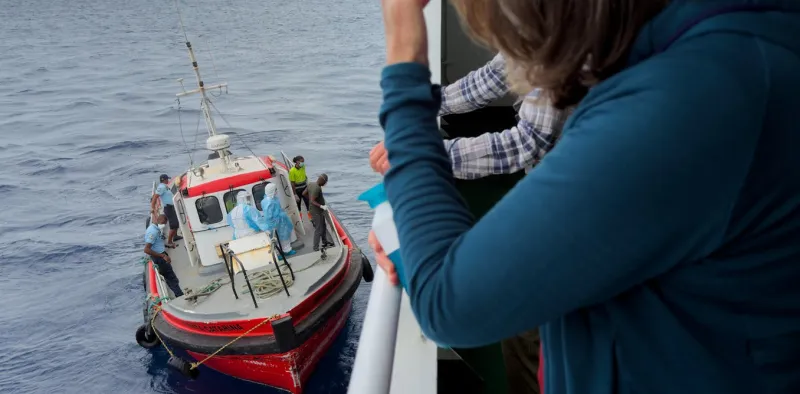
Throughout history, outbreaks at sea have forced nations to cooperate on public health. The concept of quarantine—from the Italian 'quaranta giorni' (40 days)—originated in 14th-century Venice, where ships arriving from plague-affected ports were required to anchor offshore for 40 days before landing. This practice, documented by the World Health Organization (WHO), became a cornerstone of international health law.
In the 19th century, cholera pandemics spread via trade ships, leading to the first International Sanitary Conference in 1851. According to WHO archives, these meetings eventually produced the International Health Regulations (IHR) in 1969, which today govern how countries report and respond to disease outbreaks, including those on cruise ships.
Modern cruise ships, carrying thousands of passengers in close quarters, have seen outbreaks of norovirus, influenza, and COVID-19. The WHO notes that the IHR were revised in 2005 to address such emerging threats, requiring ships to report illness to port authorities. The 2020 COVID-19 pandemic highlighted gaps in these rules, as ships like the Diamond Princess were quarantined for weeks.
Hantavirus, mentioned in the source, is primarily transmitted through rodent droppings and is not typically associated with cruise ships. The WHO confirms that hantavirus outbreaks at sea are extremely rare, with most cases linked to rural or wilderness exposure.