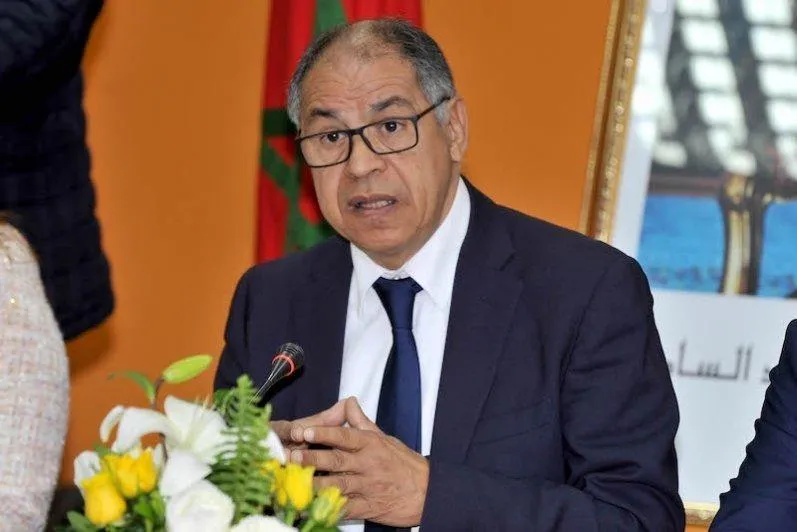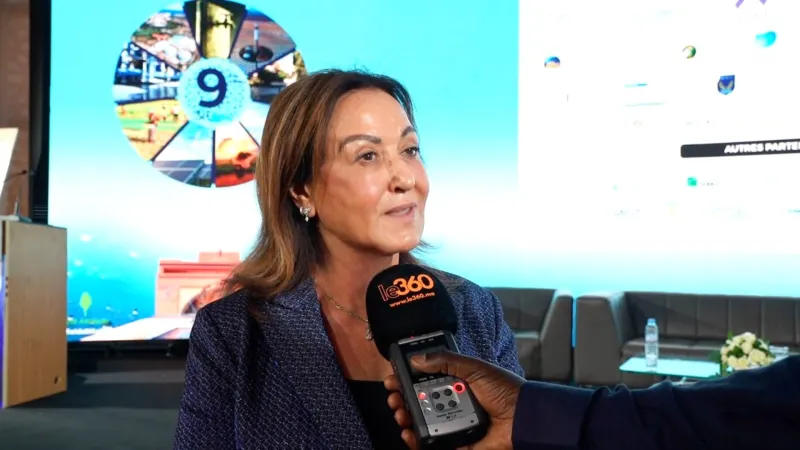
Houria Tazi Sadeq, a prominent Moroccan water governance expert and member of the Global Water Partnership, has called for a more integrated approach to global water management. Speaking at a recent international forum, she emphasized the need for coordinated policies to address growing water scarcity, which affects over 2 billion people worldwide according to UN data.
Tazi Sadeq highlighted that fragmented national policies often fail to tackle transboundary water challenges, such as river basin management and aquifer depletion. She proposed a framework that aligns local, national, and international efforts, leveraging technology and data sharing to improve efficiency.
The expert also stressed the importance of including women and marginalized communities in water decision-making, noting that they are disproportionately affected by water crises. Her recommendations align with the UN's Sustainable Development Goal 6, which aims to ensure clean water and sanitation for all by 2030.
This call comes as several regions, including North Africa and the Middle East, face severe water stress due to climate change and population growth. Tazi Sadeq's proposal has been welcomed by environmental groups, though implementation challenges remain.