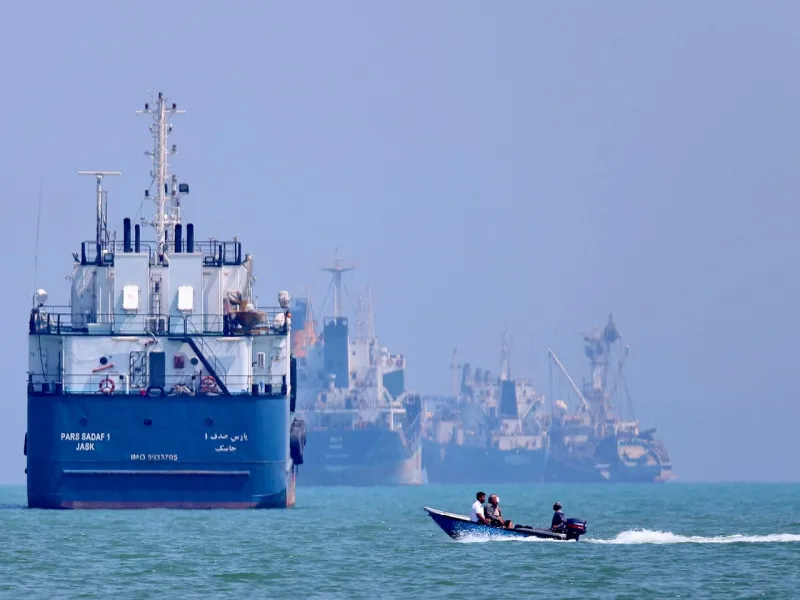
As of July 18, 2026, the Strait of Hormuz remains partially blocked due to regional tensions, causing a sharp increase in global oil prices. Brent crude has surged past $120 per barrel, impacting economies worldwide, particularly in Africa, where many nations are net importers of petroleum.
African countries are scrambling to mitigate the shock. Nigeria and Angola, as major oil producers, benefit from higher prices but face logistical challenges. Meanwhile, import-dependent nations like Kenya and South Africa are exploring emergency fuel reserves and accelerating renewable energy projects to reduce reliance on imported oil.
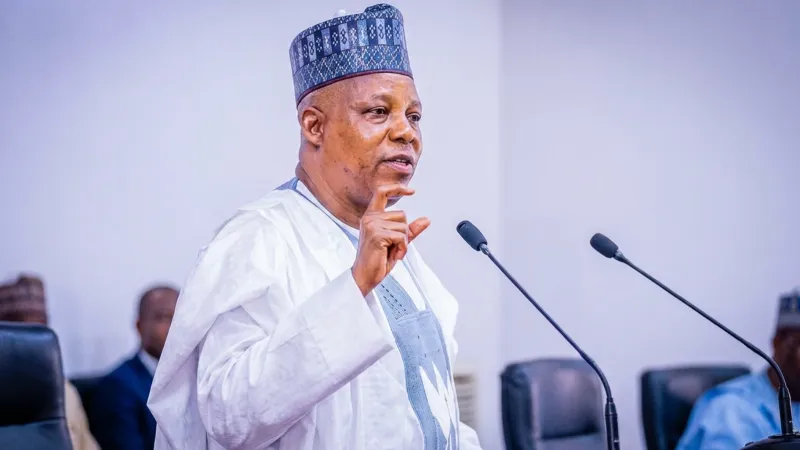
The African Union has called for an emergency meeting to coordinate a continental response, including potential subsidies and diversification of energy sources. However, experts warn that short-term solutions are limited without a resolution to the geopolitical crisis in the Middle East.