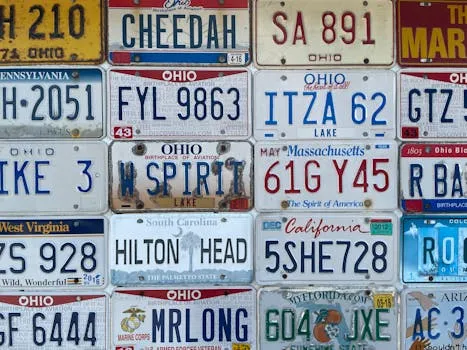
Home Depot and Lowe's have implemented license plate recognition (LPR) technology at their returns kiosks, a move aimed at reducing theft and fraud. The systems scan license plates when customers process returns, linking the plate to the transaction to identify patterns of suspicious activity.
According to reports from Jalopnik and other outlets, the technology is used to flag individuals who frequently return stolen items or engage in fraudulent return schemes. The data is stored and can be shared with law enforcement if necessary, though the companies emphasize that it is primarily for internal loss prevention.
Privacy advocates have raised concerns about the collection of license plate data without explicit customer consent. However, both retailers argue that the practice is legal and common in retail settings, similar to the use of security cameras. The systems are typically disclosed in store policies or signage at the returns area.
As of May 2026, no major data breaches have been reported related to these systems, but the practice continues to spark debate about surveillance in retail environments.