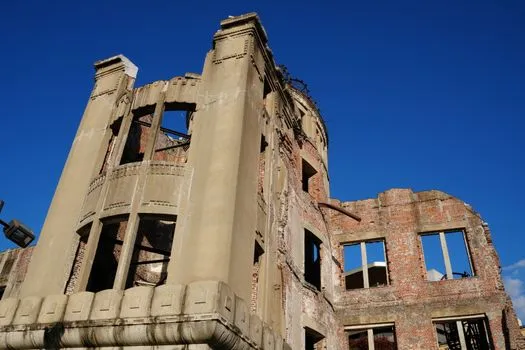
On August 6, 1945, the United States dropped an atomic bomb on the Japanese city of Hiroshima during World War II. The bomb, nicknamed "Little Boy," was detonated at approximately 8:15 a.m. local time, causing unprecedented destruction and loss of life. According to the Radiation Effects Research Foundation, the estimated number of deaths by the end of 1945 was around 140,000, including those killed instantly and those who died from radiation exposure and injuries in the following months.
The bombing of Hiroshima was followed by a second atomic bomb on Nagasaki on August 9, 1945. Japan announced its surrender on August 15, 1945, effectively ending World War II. The decision to use atomic weapons remains a subject of historical debate, with arguments ranging from the necessity to hasten Japan's surrender and avoid a costly invasion, to the ethical and humanitarian concerns of using such devastating weapons.
Each year, Hiroshima holds a memorial ceremony at the Peace Memorial Park to commemorate the victims and promote peace. The city's atomic bomb dome, a UNESCO World Heritage Site, stands as a stark reminder of the destructive power of nuclear weapons. The anniversary serves as a call for nuclear disarmament, with survivors, known as hibakusha, sharing their stories to ensure the world never forgets the horrors of nuclear war.