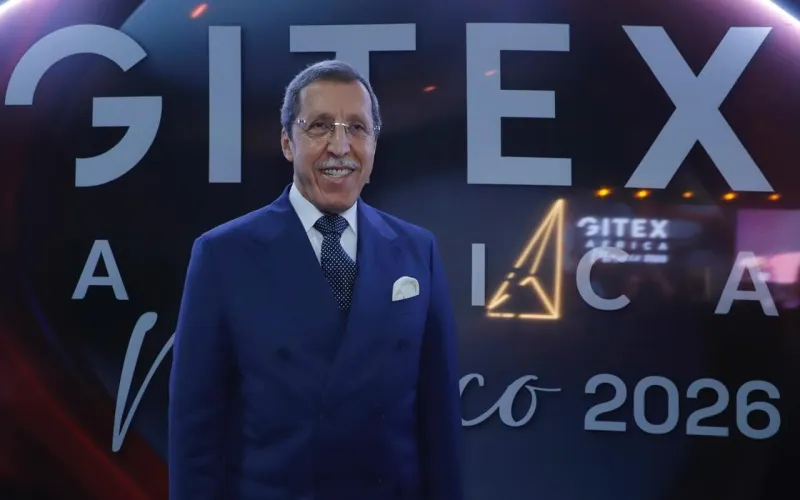
At GITEX Africa 2026 in Marrakech, Omar Hilale, Morocco's Permanent Representative to the United Nations, delivered a keynote address raising a fundamental question about artificial intelligence: who truly benefits from its rapid development? His remarks placed global equity and governance at the center of the AI debate.
Hilale argued that the accelerating pace of AI deployment risks deepening existing inequalities between developed and developing nations, warning that without inclusive governance frameworks, the technology could concentrate power and wealth among a small number of actors — primarily large tech companies and wealthy states.
The ambassador called for a multilateral approach to AI regulation, one that gives developing countries, including African nations, a meaningful seat at the table. He emphasized that Morocco and the African continent more broadly must not be passive recipients of AI tools designed elsewhere, but active participants in shaping the norms and standards that govern them.
Hilale's intervention comes as the United Nations continues to grapple with how to regulate AI globally. The UN has been working on frameworks for responsible AI use, and voices from the Global South have increasingly pushed for representation in these processes. GITEX Africa, held annually in Marrakech, has become a key platform for such discussions on the continent's digital future.