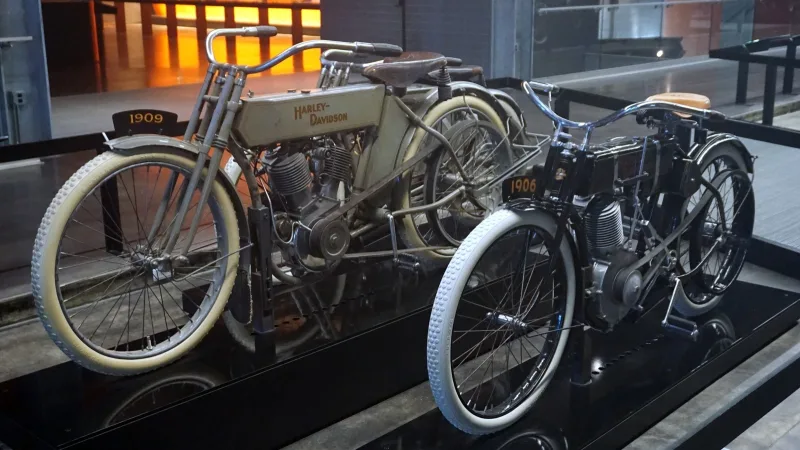
Harley-Davidson's adoption of the V-twin engine configuration in 1909 with the Model 5-D was far more than a simple case of adding an extra cylinder. The Milwaukee-based company, founded in 1903, had initially produced single-cylinder engines. The transition to a 45-degree V-twin represented a fundamental re-engineering of the motorcycle's frame, cooling, and drivetrain to handle the increased power and unique characteristics of the new engine layout.
This engineering challenge was significant. The V-twin's design created distinct vibration patterns and heat management issues that required innovative solutions. The 45-degree angle became a hallmark, partly for its packaging efficiency and the distinctive exhaust note it produced. Successfully mastering this configuration allowed Harley-Davidson to offer more power and performance, which became crucial for racing and attracting a growing customer base.
The move proved to be a defining brand strategy. The V-twin engine's look, sound, and feel became inseparable from the Harley-Davidson identity, fostering a loyal rider culture. While the company has explored other engine designs throughout its history, the V-twin remains its iconic heart, a testament to the successful navigation of that early technical hurdle.