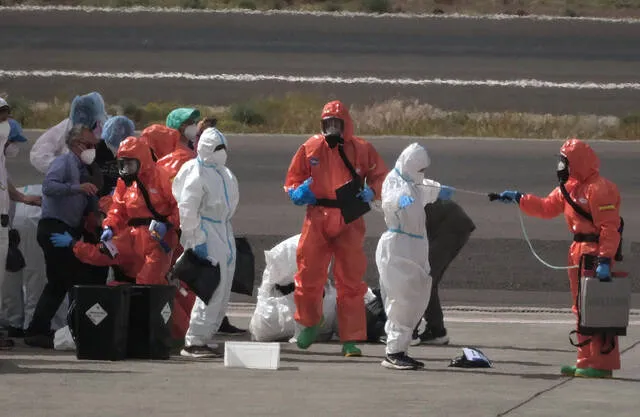
In the wake of a deadly hantavirus outbreak aboard a cruise ship, some people have expressed fears that the virus could spark another pandemic similar to COVID-19. However, Pittsburgh medical experts say it's important to separate fear from facts.
Dr. Amesh Adalja, an infectious disease expert at the Johns Hopkins Center for Health Security, explained that hantavirus is not easily transmitted between humans. Unlike COVID-19, which spreads through respiratory droplets, hantavirus is primarily spread through contact with rodent urine, droppings, or saliva. Human-to-human transmission is extremely rare and has only been documented in one strain, the Andes virus in South America.
The recent outbreak on a cruise ship involved a cluster of cases linked to rodent exposure, not person-to-person spread. The Centers for Disease Control and Prevention (CDC) confirms that hantavirus pulmonary syndrome (HPS) has a fatality rate of about 38%, but it remains a rare disease with no evidence of pandemic potential.
Experts advise avoiding contact with rodents and their habitats, especially in rural areas. Symptoms of HPS include fever, muscle aches, and fatigue, followed by coughing and shortness of breath. There is no specific treatment, but early medical care can improve outcomes.