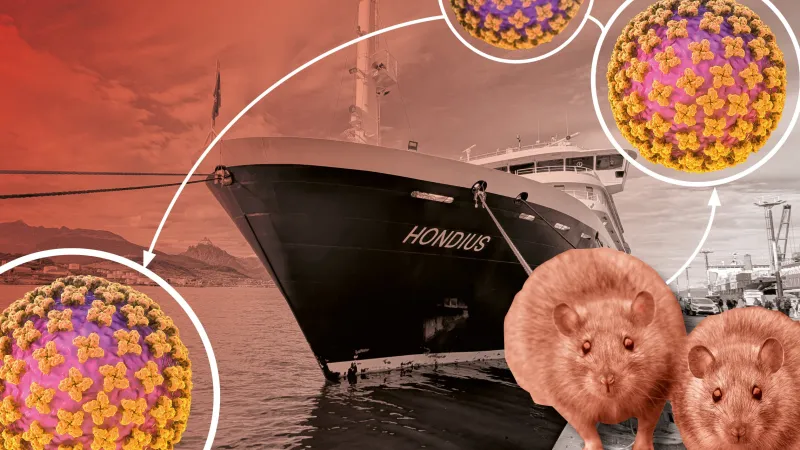
Hantavirus, a rodent-borne disease, has caused sporadic outbreaks worldwide, including in the Americas and Europe. While not a pandemic, these outbreaks test global health systems' ability to cooperate and respond effectively.
Recent cases in the United States and Argentina have prompted health authorities to enhance surveillance and public awareness. The virus, transmitted through rodent droppings, can cause severe respiratory illness with a high mortality rate.
Experts emphasize that international collaboration is crucial for tracking hantavirus strains and sharing data. The World Health Organization has called for improved reporting mechanisms to prevent future outbreaks.
Public health measures include rodent control, proper sanitation, and early detection. These efforts, while localized, demonstrate the importance of preparedness in a globally connected world.