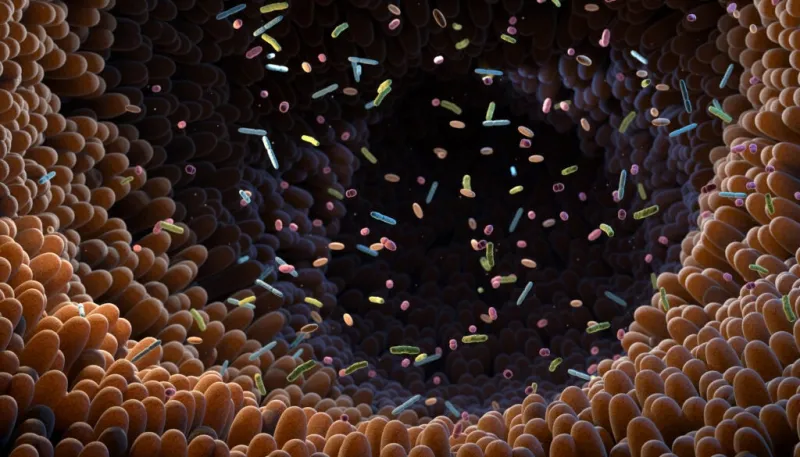
A new study published on May 27, 2026, in the journal Cell Host & Microbe reveals that alterations to the gut microbiome and its metabolites can persist for more than a decade after the removal of an adenoma—a precancerous colon polyp—and may continue to drive an elevated risk of colorectal cancer (CRC).
Researchers from the Dana-Farber Cancer Institute and the Broad Institute of MIT and Harvard analyzed stool samples from 616 participants in the Nurses' Health Study and the Health Professionals Follow-up Study. They compared the gut microbiomes of individuals who had had an adenoma removed at least 10 years earlier with those who had never had a polyp. The team found significant differences in the composition of gut bacteria and the metabolites they produce, even after accounting for factors like age, diet, and body mass index.
Specifically, the study identified a decrease in beneficial bacteria such as Faecalibacterium prausnitzii and an increase in pro-inflammatory bacteria like Bacteroides fragilis. Metabolite analysis showed reduced levels of butyrate, a short-chain fatty acid known for its anti-cancer properties, and elevated levels of secondary bile acids, which can promote inflammation and DNA damage.
“Our findings suggest that the gut microbiome may serve as a persistent risk factor for colorectal cancer, even after the removal of precancerous lesions,” said Dr. Shuji Ogino, a senior author of the study and professor at Harvard T.H. Chan School of Public Health. “This opens the door to potential microbiome-based screening tools and preventive interventions.”
Colorectal cancer is the third most common cancer worldwide, with over 1.9 million new cases in 2022, according to the World Health Organization. The study underscores the importance of long-term monitoring and suggests that modifying the gut microbiome through diet, probiotics, or other means could reduce cancer risk in individuals with a history of adenomas.