According to regional analysts, Gulf states are preparing for the economic and security consequences of a potential US-Iran nuclear deal, as negotiations continue in Vienna. The deal, which aims to curb Iran's nuclear program in exchange for sanctions relief, could reshape the Middle East's power dynamics.
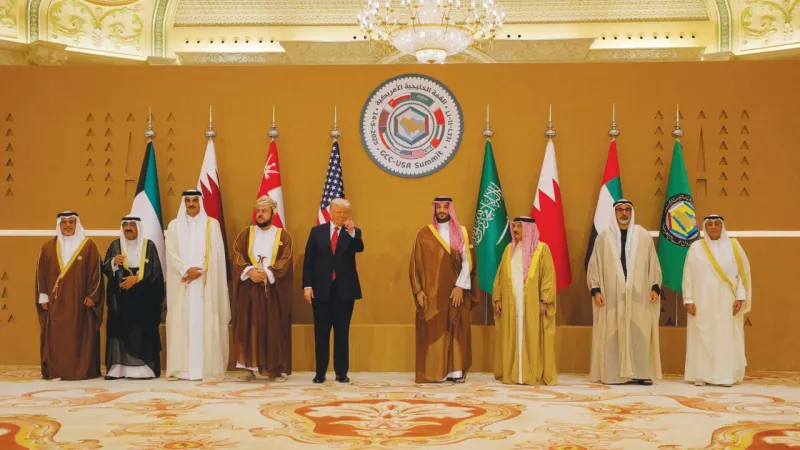
Gulf Cooperation Council (GCC) members, including Saudi Arabia and the United Arab Emirates, have expressed concerns that a deal might not adequately address Iran's ballistic missile program or its support for proxy groups in Yemen, Syria, and Lebanon. These states fear they would bear the immediate costs of any renewed conflict or instability.
In recent statements, Gulf officials have emphasized the need for a comprehensive agreement that includes regional security guarantees. The US has sought to reassure its allies, but differences remain over the scope of the negotiations.
Economic analysts note that Gulf states are diversifying their economies to reduce reliance on oil, partly in response to potential shifts in global energy markets if Iranian oil returns. The IMF has warned that a sudden increase in supply could lower prices, affecting Gulf budgets.
As of May 2026, no final agreement has been reached, but the Gulf states continue to engage diplomatically to protect their interests.