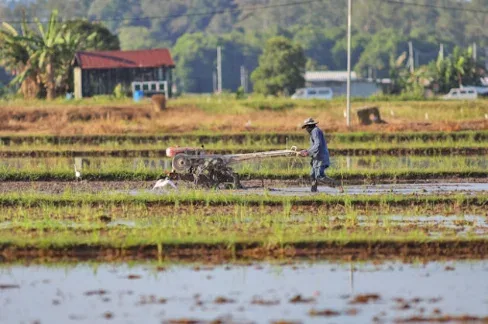
In response to climate volatility and trade disruptions, numerous nations are launching initiatives to enhance self-sufficiency in rice, a critical global staple. The International Rice Research Institute (IRRI) continues to support these efforts through the development of climate-resilient and higher-yielding rice varieties, which are crucial for adapting to changing environmental conditions.
In Southeast Asia, a major rice-producing region, governments are promoting sustainable farming practices and providing subsidies for fertilizers and seeds to stabilize output. For instance, Thailand has recently reinforced its policies supporting farmers to maintain its status as a top exporter. Similarly, India, the world's largest rice exporter, maintains export restrictions on certain varieties to ensure adequate domestic supply and control local prices.
In Africa, where rice consumption is growing rapidly, countries like Nigeria and Senegal are investing in irrigation projects and seed multiplication programs to reduce heavy reliance on imports. The African Development Bank's 'Technologies for African Agricultural Transformation' initiative aims to disseminate high-yielding technologies across the continent.
These coordinated efforts highlight a global shift towards prioritizing domestic food security. However, analysts note that achieving full self-sufficiency remains a long-term challenge for many import-dependent countries, requiring sustained investment in agricultural infrastructure and research.