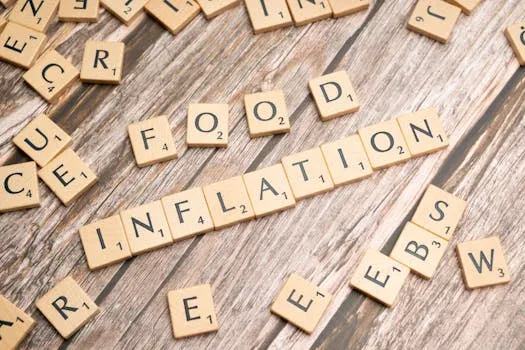
According to the latest data from the Bureau of Labor Statistics released on May 13, 2026, the annual inflation rate in the United States fell to 3.4% in April 2026, down from 3.5% in March. This marks a continued easing of price pressures, though grocery prices remain a significant concern for consumers.
Grocery prices, specifically for food at home, are still 25% higher than pre-pandemic levels in February 2020, the BLS reported. Key staples like eggs, milk, and bread have seen the most persistent increases, with egg prices rising 8% year-over-year due to ongoing avian flu outbreaks.
Economists attribute the slower overall inflation to falling energy costs and improved supply chains, but food inflation remains sticky. The Federal Reserve has held interest rates steady at 5.25% to 5.5% since July 2023, aiming to bring inflation down to its 2% target without triggering a recession.
For households, the impact is uneven. Lower-income families spend a larger share of their income on food, making them more vulnerable to high grocery bills. Some retailers, like Walmart and Kroger, have reported increased sales of private-label brands as shoppers seek cheaper alternatives.