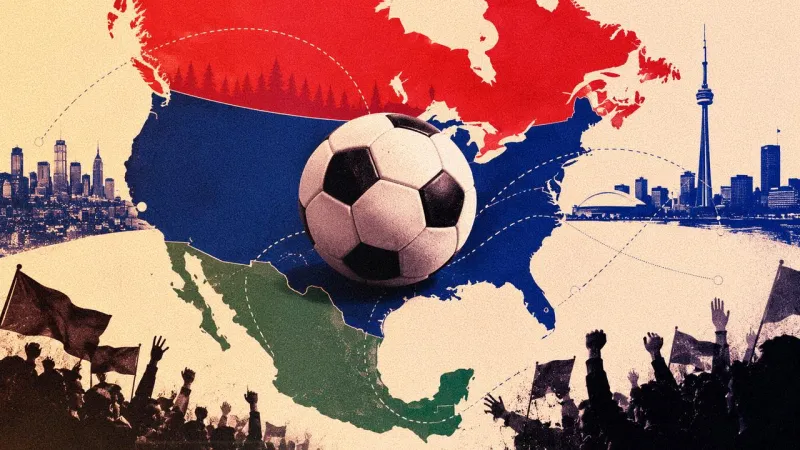
As the 2026 FIFA World Cup kicks off across the United States, Canada, and Mexico, international relations specialist Cyrille Bret has described the tournament as 'an immense battle of narratives' with significant geopolitical implications. In an interview published on June 14, 2026, Bret emphasized that the event transcends sport, serving as a platform for nations to project soft power and shape global perceptions.
Bret, a professor at Sciences Po Paris, noted that the co-hosting arrangement itself reflects diplomatic dynamics. The United States, Canada, and Mexico jointly secured the bid in 2018, marking the first time three nations have hosted the tournament. This collaboration, he argued, underscores North American integration but also highlights tensions, such as trade disputes and migration issues.
The tournament features 48 teams for the first time, expanding from 32. Bret pointed out that this expansion allows more countries, including smaller or conflict-affected nations, to participate, potentially altering geopolitical narratives. He cited examples like Morocco's strong performance in 2022 as a precedent for how football can reshape regional influence.
Bret also warned of potential controversies, including human rights concerns related to host cities and the environmental impact of such a large event. He stressed that the World Cup will be watched globally, with every match carrying symbolic weight beyond the scoreline.