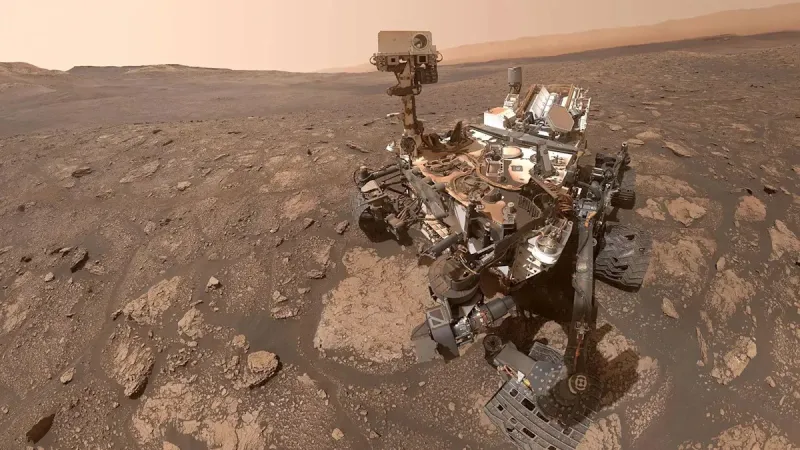
A recent study by NASA has identified fungal strains that can survive even the agency's most stringent sterilization protocols. The findings raise concerns about planetary protection, as Earth microbes might inadvertently be transported to Mars and other celestial bodies.
The research, published in the journal Astrobiology in 2025, tested the resilience of various fungal species to the dry heat sterilization methods used for spacecraft. Some strains, including Aspergillus and Penicillium, were found to survive these conditions, potentially posing a risk of forward contamination.
NASA's Office of Planetary Protection is reviewing the results to update sterilization guidelines. The study highlights the need for improved methods to ensure that missions to potentially habitable worlds like Mars, Europa, and Enceladus do not introduce Earth organisms.