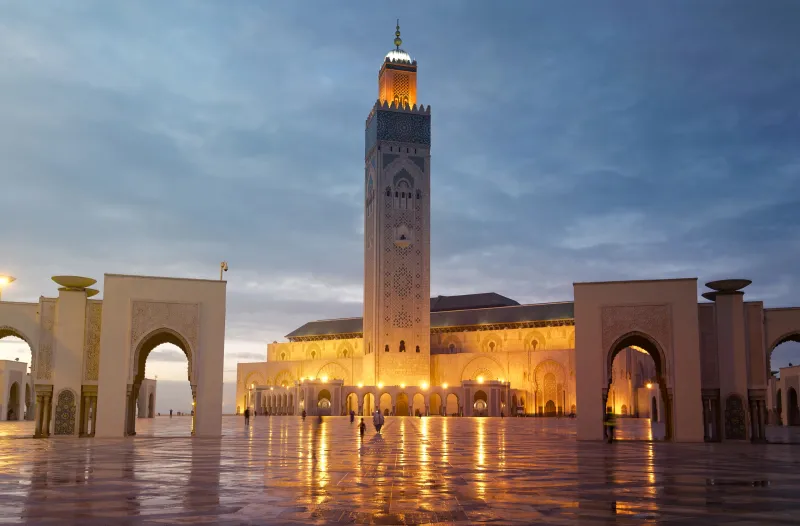
A recurring frustration among Moroccan viewers and cultural commentators concerns the way French television portrays Morocco. Whenever a French channel announces a special program dedicated to the country, expectations run high — only to be repeatedly disappointed by coverage that tends to focus on luxury hotels, exotic landscapes, and surface-level tourism imagery, most notably the iconic La Mamounia hotel in Marrakech.
Critics argue that this pattern of representation reduces a nation of over 37 million people, with a rich and complex history, diverse regional cultures, and a rapidly evolving economy, to a backdrop for French nostalgia and upper-class travel fantasy. The criticism is not new, but it remains pointed: French media, despite its proximity to Morocco and the deep historical and human ties between the two countries, consistently fails to engage with Moroccan society in any meaningful depth.
The phenomenon reflects a broader issue in Western media coverage of African and Arab nations, where editorial choices tend to privilege the picturesque over the political, the anecdotal over the analytical. Morocco's ongoing social debates, its urban youth culture, its literary and artistic scene, and its geopolitical role in the region rarely make it onto the French primetime schedule.
For the Moroccan diaspora in France — numbering in the hundreds of thousands — these programs can feel particularly alienating, presenting a country they know intimately through a lens that is at once glamorizing and reductive. Cultural commentators have called on French broadcasters to invest in more substantive, journalist-driven coverage that reflects the full breadth of contemporary Moroccan life rather than recycling the same postcard imagery.