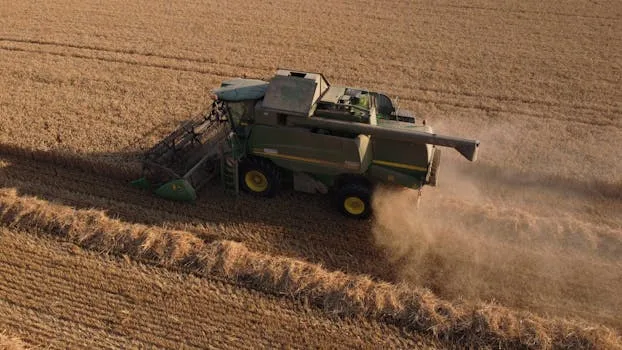
As of May 2026, the French government has reinstated import tariffs on cereals, a move aimed at shielding domestic producers from fluctuating global market prices. The decision, announced by the Ministry of Agriculture, applies to key grains such as wheat, barley, and corn.
The tariffs are set at a rate of 5% on imported cereals, reversing a previous policy of zero tariffs that had been in place since 2023. Officials cite the need to stabilize farm incomes and reduce dependency on imports from non-EU countries, particularly Ukraine and Russia, which have seen volatile supply due to ongoing geopolitical tensions.
Agricultural unions have welcomed the measure, arguing it will help local farmers compete with cheaper imports. However, some industry analysts warn that the tariffs could lead to higher bread and animal feed prices for consumers. The government has pledged to monitor the impact and adjust rates if necessary.
The European Commission has been notified of the change, as it may affect EU trade agreements. France is the EU's largest cereal producer, and this policy shift could influence broader agricultural trade dynamics within the bloc.