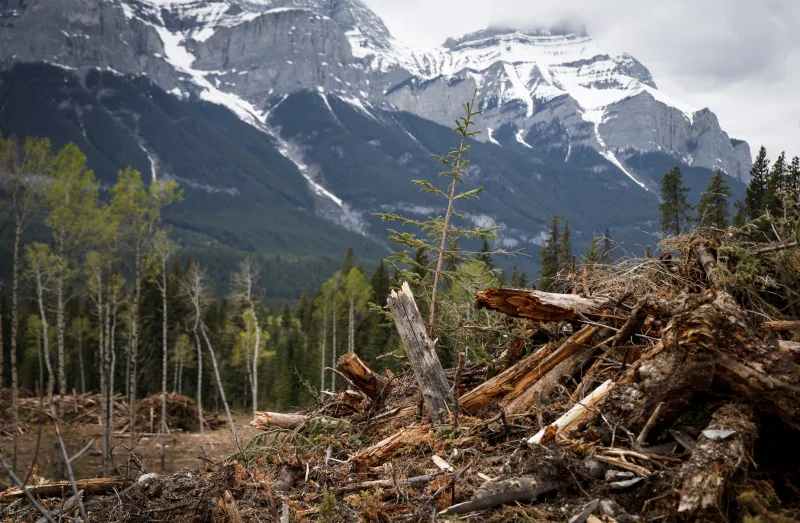
A technique known as 'lop and scatter' is gaining attention as a cost-effective way to manage debris from forest thinning operations, reducing wildfire risk while benefiting forest ecosystems. According to the U.S. Forest Service, this method involves cutting branches and small trees into smaller pieces and scattering them across the forest floor, rather than piling or removing them.
Research from the University of California, Berkeley, indicates that properly scattered debris can slow fire spread by reducing the continuity of fuels and increasing moisture retention in the soil. A 2023 study published in the journal 'Forest Ecology and Management' found that lop and scatter treatments reduced flame length by up to 30% in simulated wildfires.
Forest managers in California and Oregon have adopted the technique as part of broader wildfire mitigation strategies. The practice is considered particularly useful in remote areas where removal of debris is logistically challenging or expensive.
Critics note that the method may not be suitable in all forest types, particularly those with high fuel loads or in areas prone to extreme fire behavior. However, when combined with prescribed burns, lop and scatter is seen as a viable tool for improving forest resilience.