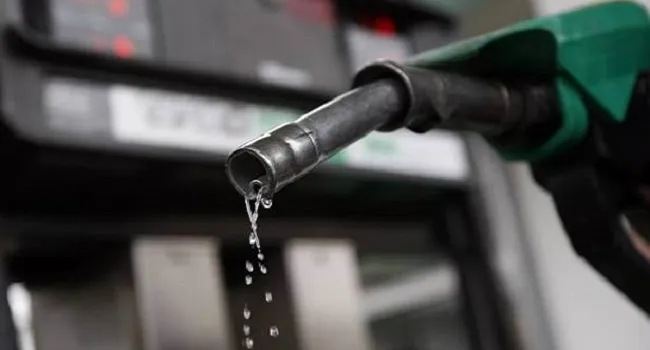
The Nigerian Federal Government has stated that the price of Premium Motor Spirit (petrol) in the country is approximately 50 percent lower than the global average. The Minister of Information and National Orientation, Mohammed Idris, made this assertion while defending the government's economic reforms, which included the removal of the petrol subsidy in May 2023.
According to data from the Nigerian National Petroleum Company Limited (NNPCL) and global price tracking platforms as of early April 2026, the average pump price for petrol in Nigeria ranges between ₦650 and ₦700 per litre. In contrast, the global average price for the equivalent period, as reported by sources like GlobalPetrolPrices.com, is approximately $1.30 per litre (roughly ₦1,950 using a conservative exchange rate). This indicates a significant price differential, though the exact percentage varies with daily exchange rate fluctuations.
The government's claim hinges on comparing Nigeria's regulated pump price to international retail prices, which include taxes and distribution costs. However, analysts note this comparison does not account for Nigeria's lower average income levels. The subsidy removal, a key policy of President Bola Tinubu's administration, initially caused prices to triple, contributing to high inflation but aimed at reducing the fiscal burden on the state.
While the price in Nigeria is lower than in many nations, the assertion of being "50% below the global average" is a snapshot that can be sensitive to volatile global oil prices and the value of the Naira. The government maintains that the reforms are necessary for long-term economic stability, despite the short-term hardship on citizens.