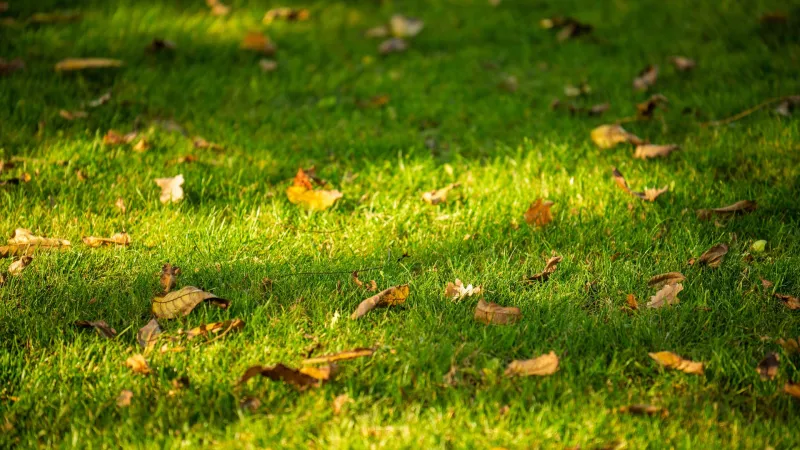
As summer heat and drought stress fade, early fall offers the best window to repair lawn damage before winter. Cool-season grasses like Kentucky bluegrass, tall fescue, and perennial ryegrass recover most effectively when soil temperatures are between 50°F and 65°F (10°C–18°C), typically from late August through mid-October depending on your region.
Start by aerating compacted soil. Core aeration pulls small plugs from the lawn, reducing thatch and allowing water, oxygen, and nutrients to reach grass roots. Follow with overseeding to fill bare or thin patches; use a seed blend matched to your climate and keep the seedbed consistently moist until germination, which usually takes 7–21 days for cool-season varieties.
Apply a slow-release nitrogen fertilizer in early fall to support root growth and storage before dormancy. Avoid high-nitrogen quick-release products late in the season, as they can promote tender growth vulnerable to frost. Mow at the proper height—typically 2.5–3.5 inches for cool-season grasses—and continue mowing until growth stops.
Water deeply but infrequently to encourage deep roots, aiming for about 1 inch (2.5 cm) per week from rainfall and irrigation combined. Rake fallen leaves to prevent smothering, and address broadleaf weeds with a fall-applied herbicide if needed, following local regulations. These steps help lawns enter winter healthier and green up faster in spring.


