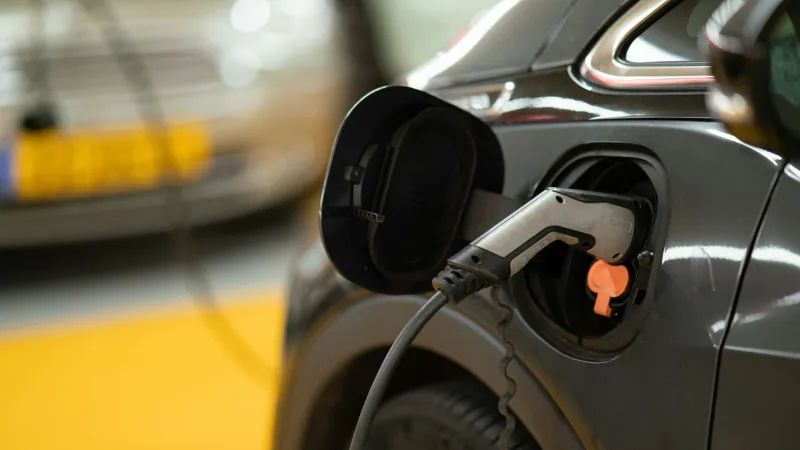
According to data from the European Automobile Manufacturers' Association (ACEA), new car registrations in the European Union rose by 12.5% in March 2026 compared to the same month last year. This growth was primarily fueled by a significant increase in electric vehicle (EV) sales, which jumped by 23.4% year-on-year, as consumers shifted away from traditional fuel vehicles amid rising oil prices linked to the ongoing Middle East conflict.
Battery electric vehicles (BEVs) accounted for 18.2% of all new car registrations in the EU in March, up from 15.1% a year earlier. Germany, the region's largest car market, saw a 15.8% increase in EV registrations, while France reported a 19.2% rise. The trend was particularly strong in countries with generous EV subsidies, such as the Netherlands and Sweden.
The surge in EV sales comes as the war in the Middle East has disrupted global oil supplies, pushing gasoline prices to record highs across Europe. Analysts say this has accelerated the transition to electric mobility, with many consumers opting for EVs to reduce fuel costs. However, supply chain constraints for critical minerals like lithium and cobalt remain a challenge for automakers.
Despite the overall market growth, the ACEA warned that the pace of EV adoption could slow if governments phase out purchase incentives. The association urged policymakers to maintain support for charging infrastructure and battery production to sustain the momentum.