The European Union is implementing a series of measures to strengthen its industrial competitiveness and accelerate its green transition, which will have significant implications for key trade partners, including Morocco. Central to this policy shift is the Carbon Border Adjustment Mechanism (CBAM), designed to prevent carbon leakage by imposing a carbon price on imports of certain goods from countries with less stringent climate policies.
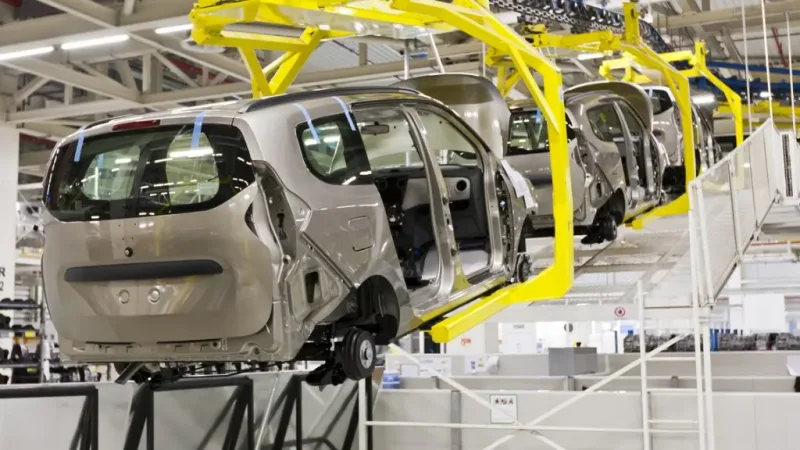
For Morocco, a major exporter to the EU of products like fertilizers, aluminum, and iron, the CBAM represents a new regulatory hurdle. Moroccan industries will need to accurately report the embedded carbon emissions in their exports to the EU market or face financial penalties. This mechanism aims to level the playing field for EU producers who are already subject to the bloc's Emissions Trading System.
Beyond the CBAM, the EU's broader industrial strategy, often referred to as the "Green Deal Industrial Plan," focuses on boosting domestic manufacturing of clean technologies. This includes relaxed state aid rules and ambitious targets for net-zero industry capacity. While this could attract some investment to neighboring regions, it also increases competition for Morocco's own green industrial ambitions.
Analysts note that Morocco's existing trade agreements with the EU, such as the advanced status partnership, provide a framework for dialogue. However, the new rules necessitate rapid adaptation from Moroccan exporters to maintain their market position. The situation underscores the growing influence of EU environmental standards on global trade patterns.