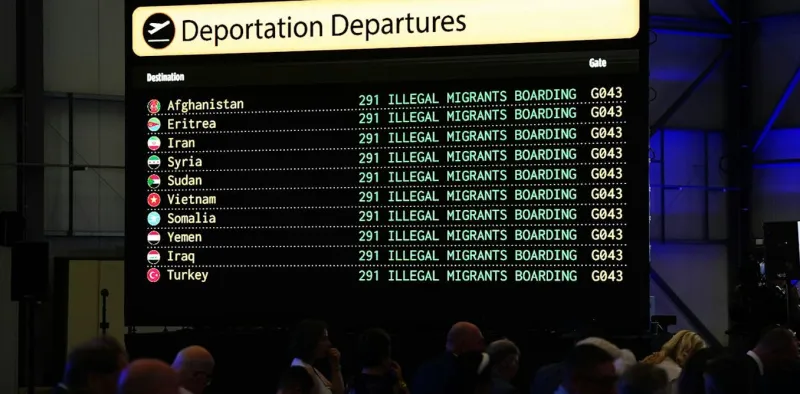
The European Union has invested billions of euros in return operations for irregular migrants, yet the effectiveness remains low. According to the European Commission's 2024 report on migration, the EU spent approximately €1.2 billion on return-related activities in 2023, including voluntary returns, forced removals, and reintegration programs. However, the return rate for irregular migrants stood at only 18% in 2023, meaning the vast majority of those ordered to leave remained in the EU.
Key challenges include lack of cooperation from countries of origin, legal hurdles, and administrative bottlenecks. A 2024 European Court of Auditors report highlighted that only 21% of return decisions issued in 2022 were actually enforced. The EU has signed readmission agreements with several countries, but compliance varies widely. For example, returns to sub-Saharan Africa remain particularly low, with rates below 10% in some cases.
Experts argue that the strategy focuses too heavily on enforcement rather than addressing root causes. A 2025 study by the European University Institute found that investing in development aid and legal migration pathways could reduce irregular migration more effectively. The EU's new Pact on Migration and Asylum, adopted in 2024, aims to streamline return procedures, but its impact is yet to be seen.