The European Union's energy crisis, exacerbated by the war in Ukraine, has accelerated a shift away from Russian fossil fuels. According to the European Commission, renewables (wind, solar, hydro) accounted for 47% of EU electricity generation in 2025, up from 39% in 2022. Nuclear power contributed 22%, while fossil fuels fell to 31%.
The EU's 2023 revised Renewable Energy Directive sets a target of 42.5% renewable energy in gross final energy consumption by 2030, with an ambition to reach 45%. The bloc also aims to produce 10 million tonnes of renewable hydrogen domestically by 2030, under the REPowerEU plan, though current production remains minimal.
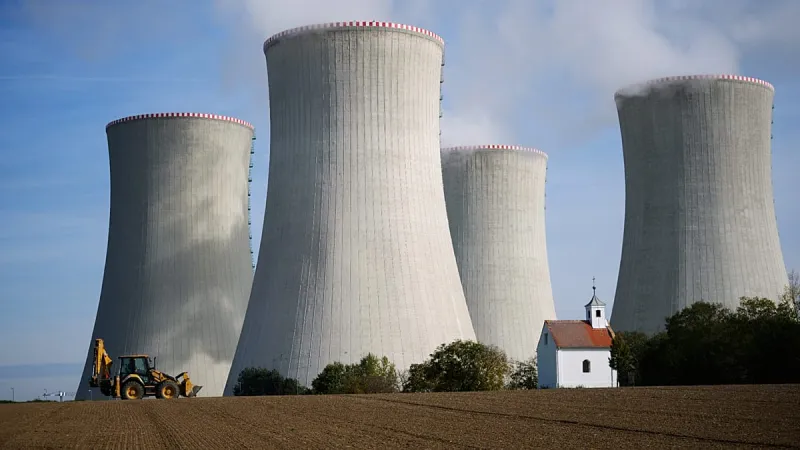
Nuclear energy remains contentious. France leads the EU with 56 reactors, generating about 65% of its electricity, and plans to build up to 14 new EPR2 reactors. Germany, however, completed its nuclear phase-out in April 2023. The EU's taxonomy includes nuclear under certain conditions, but member states diverge on its role.
Green hydrogen, produced via electrolysis using renewable electricity, is seen as key for decarbonizing heavy industry and transport. The European Hydrogen Bank, launched in 2023, has allocated €3 billion in subsidies. However, high costs (€5-8 per kg vs. €1-2 for grey hydrogen) and infrastructure gaps limit progress.
Critics argue the EU's strategy risks over-reliance on hydrogen for sectors where direct electrification is more efficient. The European Court of Auditors warned in 2024 that the bloc's hydrogen targets are 'unrealistic' without faster deployment of renewables and electrolysers. As of April 2026, installed electrolyser capacity in the EU is about 1 GW, far from the 2030 goal of 40 GW.