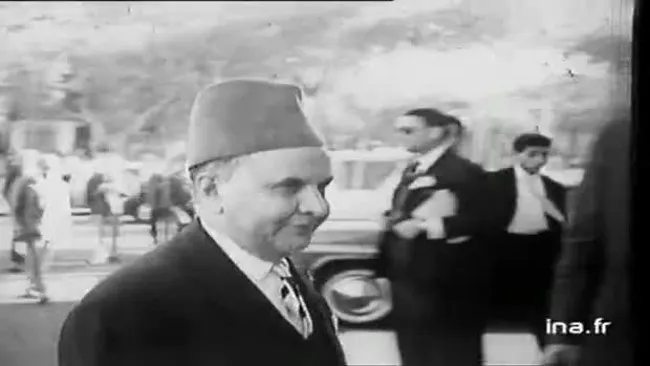
The Tangier Conference of 1958 was a pivotal meeting of North African political leaders aimed at forging a unified Maghreb region. Held from April 27 to 30, 1958, in Tangier, Morocco, the conference brought together representatives from Morocco, Algeria, Tunisia, and Libya to discuss economic cooperation, political solidarity, and the decolonization of the region.
Key figures included Moroccan Prime Minister M'barek Bekkay, Tunisian President Habib Bourguiba, and Algerian National Liberation Front (FLN) leaders such as Ferhat Abbas. The conference produced a set of resolutions calling for the establishment of a Maghreb Consultative Assembly and the creation of joint institutions to coordinate policies on defense, foreign affairs, and economic development.
However, the dream of a united Maghreb faced insurmountable obstacles. The Algerian War of Independence (1954-1962) created deep divisions, as Tunisia and Morocco supported the FLN while France opposed any unification that would strengthen the independence movement. Additionally, Libya's monarchy under King Idris I was cautious about regional integration, and post-independence rivalries among the leaders further hindered progress.
Despite the conference's failure to achieve immediate unity, it laid the groundwork for future regional cooperation. The Arab Maghreb Union (UMA), established in 1989, was a later attempt to revive the vision, though it has remained largely inactive due to political tensions, particularly over Western Sahara. The 1958 Tangier Conference remains a symbol of the aspirations and challenges of North African unity.