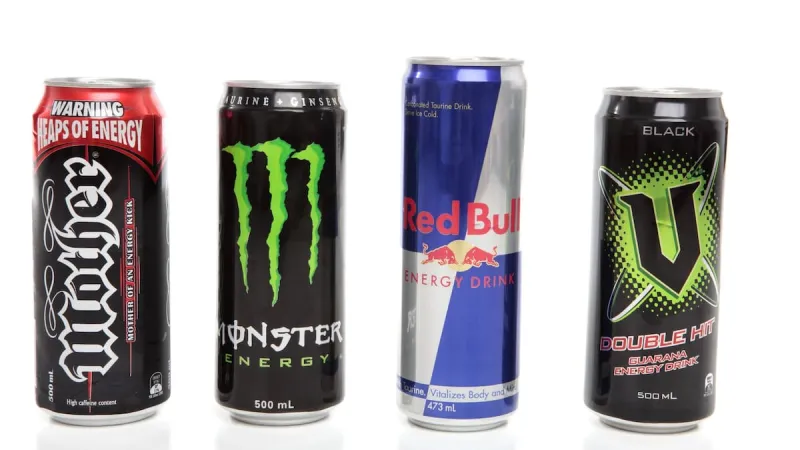
Energy drinks, popular among young adults and students, contain high levels of caffeine and sugar. According to the National Institutes of Health, consuming more than 400 mg of caffeine per day can lead to heart palpitations, insomnia, and anxiety. A typical 16-ounce energy drink contains about 160 mg of caffeine, but some brands have up to 300 mg.
Long-term consumption has been linked to increased blood pressure and risk of cardiovascular events. The American Heart Association warns that mixing energy drinks with alcohol can mask intoxication and lead to dangerous overconsumption.
For a natural energy boost, experts recommend green tea, which contains L-theanine, an amino acid that promotes calm alertness without the jitters. Other options include staying hydrated, eating balanced meals with complex carbohydrates, and taking short walks to improve circulation.
If you rely on energy drinks, consider gradually reducing intake to avoid withdrawal symptoms like headaches and fatigue. Always consult a healthcare provider before making significant dietary changes.