Eid al-Adha, also known as the Festival of Sacrifice, is one of the two major Islamic holidays. It is celebrated annually on the 10th day of Dhu al-Hijjah, the twelfth month of the Islamic lunar calendar. In 2026, the holiday is expected to begin on the evening of May 27 and end on May 28, subject to moon sighting.
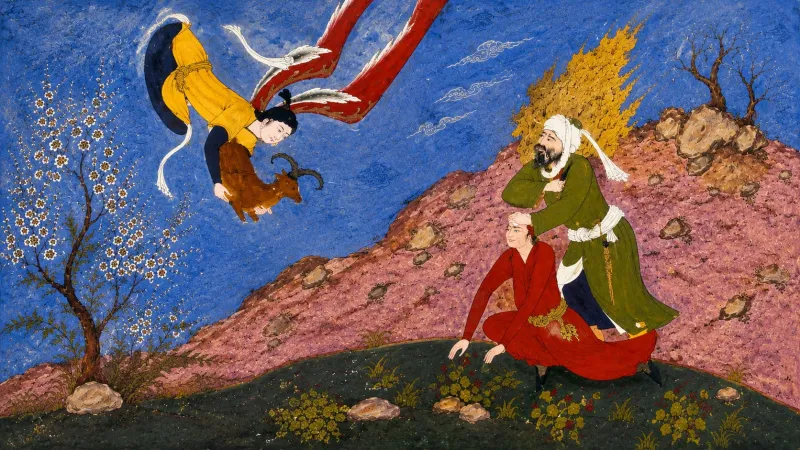
The festival commemorates the willingness of Prophet Ibrahim (Abraham) to sacrifice his son as an act of obedience to God. According to Islamic tradition, God provided a ram to sacrifice instead. This story is also recognized in Jewish and Christian traditions, linking the three Abrahamic faiths.
During Eid al-Adha, Muslims around the world perform the Eid prayer, often in large congregations. Those who can afford it sacrifice an animal—typically a sheep, goat, cow, or camel—and distribute the meat to family, friends, and the needy. The act symbolizes charity and solidarity.
The holiday coincides with the Hajj pilgrimage to Mecca, which all able-bodied Muslims are required to perform at least once in their lifetime. Pilgrims perform specific rituals, including the symbolic stoning of the devil and the sacrifice.
Eid al-Adha serves as a universal reminder of faith, sacrifice, and compassion, transcending cultural and national boundaries. It is a time for reflection, community, and generosity.