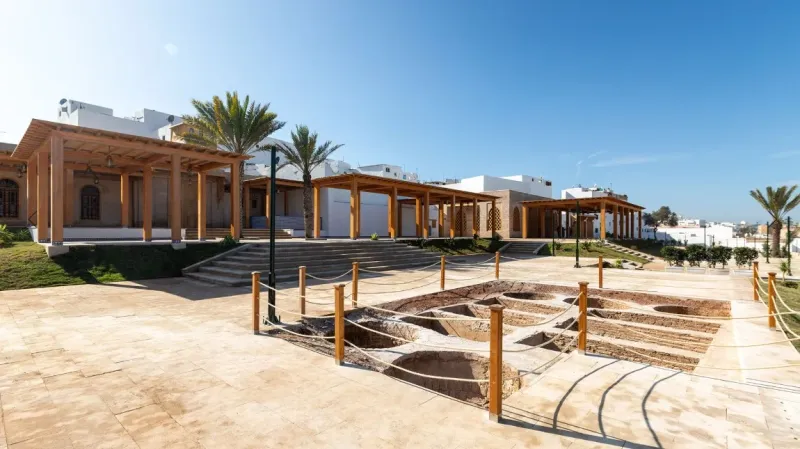
Diour Dbagh, located in the heart of Rabat's medina, is a historic tannery district that has been a hub for leather processing and craftsmanship for centuries. The site, whose name means 'houses of tanning' in Darija, is one of the oldest industrial areas in the Moroccan capital, dating back to the Almohad period (12th-13th centuries).
According to historical records and local guides, the tanneries have operated continuously for over 800 years, using traditional methods that involve soaking, scraping, and dyeing animal hides. The process relies on natural materials such as lime, pigeon droppings, and plant-based dyes, including henna and poppy. The district comprises several workshops and drying areas, often recognizable by the distinctive smell and the colorful vats used for dyeing.
In recent years, Diour Dbagh has faced challenges from modernization and environmental regulations, but it remains a vital part of Rabat's cultural heritage. The tanneries attract tourists interested in traditional crafts, and local artisans continue to produce leather goods such as bags, belts, and slippers. Efforts by the Moroccan Ministry of Culture and UNESCO have been made to preserve the site as part of the medina's intangible heritage.
As of 2026, the tanneries are still operational, though some workshops have closed due to economic pressures. The site is a reminder of Rabat's history as a trading port and a center for leather production in North Africa.