For over a century, hydro-diplomacy in the Nile Basin has been shaped by colonial-era agreements, notably the 1929 and 1959 treaties, which granted Egypt and Sudan historic rights to the Nile's waters. These agreements were signed without the participation of upstream countries like Ethiopia, which contributes over 85% of the Nile's flow. This asymmetry has long been a source of tension.
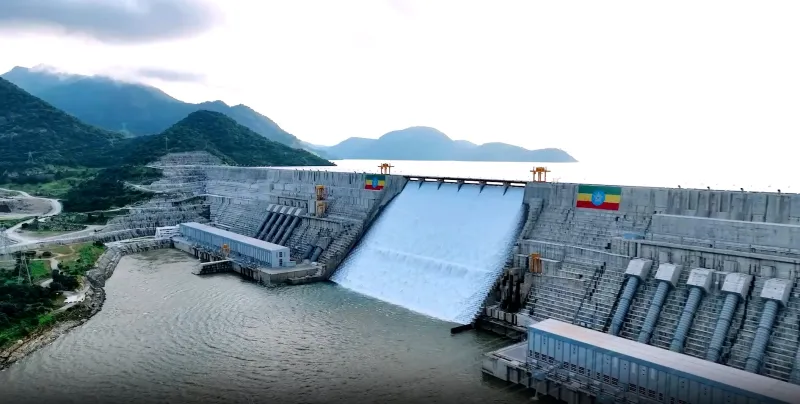
In recent years, Egypt has pursued a strategy of isolating Ethiopia diplomatically, particularly after Ethiopia began construction of the Grand Ethiopian Renaissance Dam (GERD) in 2011. However, analysts argue that this approach is failing. Egypt's attempts to rally international support against the GERD have not stopped its filling, and Ethiopia has secured backing from other Nile Basin countries that reject the colonial-era treaties.
The GERD, now largely complete, has altered the regional balance. Ethiopia has filled the dam's reservoir in stages, with the fourth and final filling reportedly achieved in 2023. Egypt and Sudan have expressed concerns about the dam's impact on their water supplies, but negotiations under the African Union have not produced a binding agreement.
Experts suggest that Egypt's isolation strategy is counterproductive. Instead of isolating Ethiopia, Egypt could benefit from cooperative frameworks that recognize the rights of all Nile Basin states. The Nile Basin Initiative, established in 1999, offers a platform for dialogue, but progress has been slow due to mistrust and competing national interests.
As of July 2026, the situation remains unresolved. Egypt continues to face challenges in adapting to the new reality of the GERD, while Ethiopia asserts its right to use the Nile for development. The path forward likely requires a shift from confrontation to cooperation, acknowledging the legitimate needs of all riparian states.