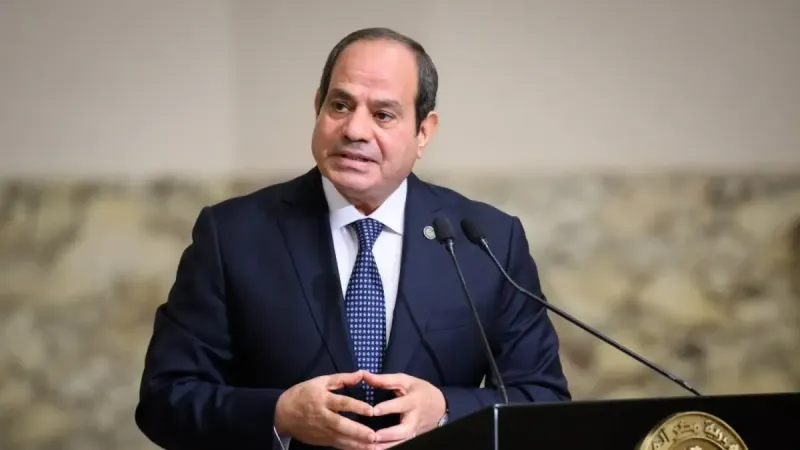
Egypt has reaffirmed its support for Morocco's autonomy plan for the Western Sahara, a position that has drawn sharp criticism from Algerian activists and reignited tensions between Rabat and Algiers over the long-disputed territory. Egypt's backing aligns it with a growing number of countries that recognize Morocco's 2007 autonomy proposal as a credible and serious basis for a negotiated solution.
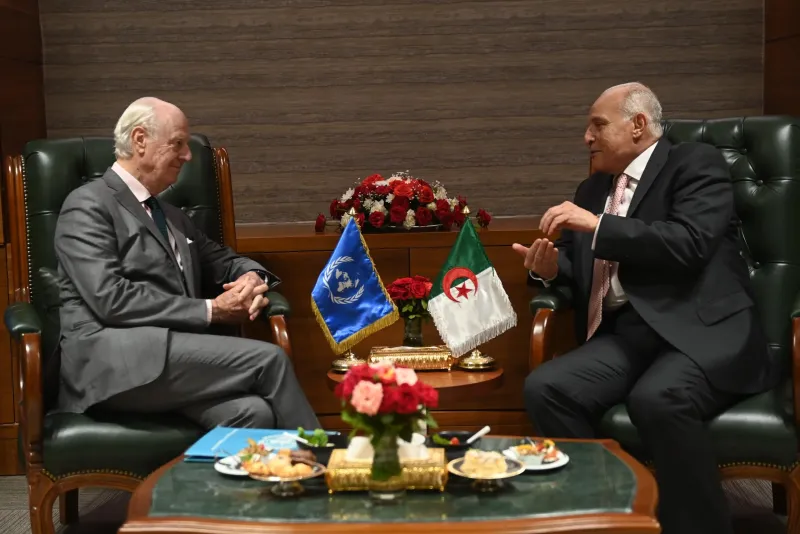
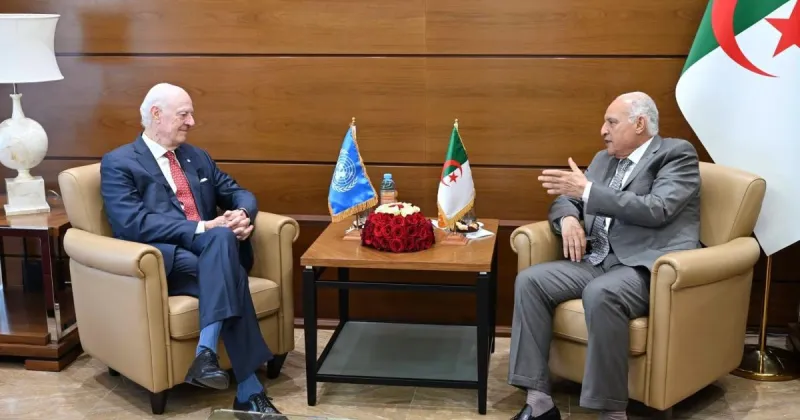
The Western Sahara dispute, one of Africa's longest-running territorial conflicts, pits Morocco — which administers the majority of the territory — against the Polisario Front, a Sahrawi independence movement backed politically and logistically by Algeria. The United Nations has been facilitating negotiations between the parties for decades, with no final resolution reached to date.
An Algerian activist publicly criticized Egypt's stance, framing it as a betrayal of the principle of self-determination for the Sahrawi people. Algeria has long championed the Polisario Front's cause and considers the Western Sahara question a matter of decolonization rather than a bilateral territorial dispute between Morocco and its neighbors.
Morocco has secured growing international recognition for its sovereignty claims in recent years, with several countries — including the United States, France, and Spain — having expressed support for the autonomy plan as a basis for negotiations. Egypt's reaffirmation adds to this diplomatic momentum, further isolating Algeria's position on the regional stage.
The dispute continues to strain relations between Morocco and Algeria, whose shared border has remained closed since 1994. Analysts note that each new expression of international support for Morocco's position tends to provoke strong reactions from Algiers and its allies, reflecting the deep sensitivities surrounding the issue.