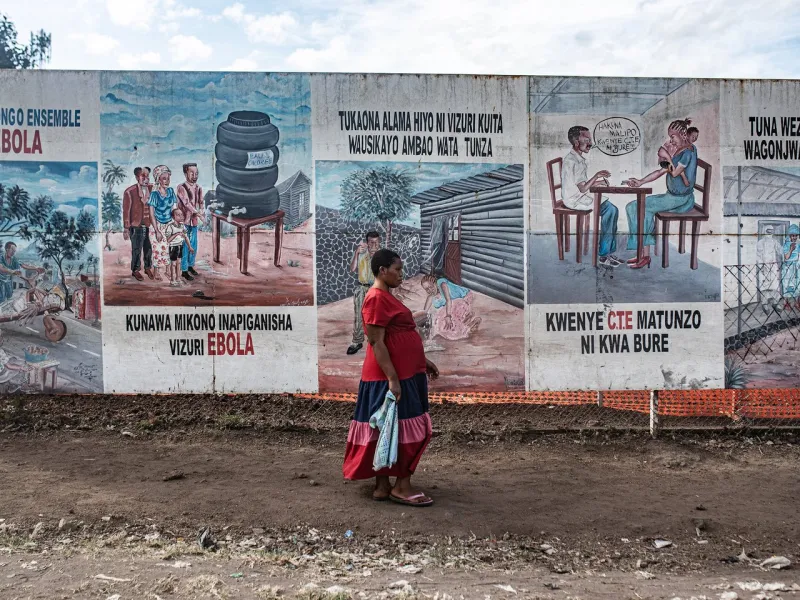
In the Democratic Republic of the Congo, the fight against the Ebola virus has been significantly complicated by the spread of misinformation. According to the World Health Organization (WHO), false rumors about the disease, including claims that it is a hoax or that treatments are harmful, have led to community mistrust and resistance to public health measures.
This misinformation has had deadly consequences. In 2019, attacks on health workers and treatment centers in the eastern DRC increased, with some directly linked to false narratives. The WHO reported that such attacks forced temporary suspensions of response activities, allowing the virus to spread further.
Efforts to counter the infodemic include community engagement and partnerships with local leaders to disseminate accurate information. However, the persistence of fake news continues to pose a major challenge to ending the outbreak, which has killed over 2,200 people since 2018.