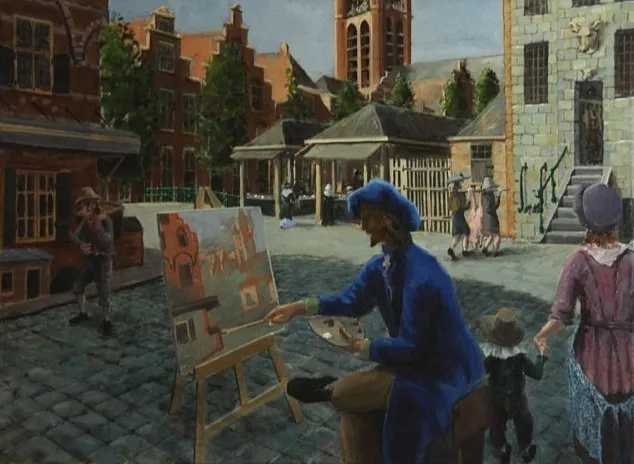
In 1670, the Dutch painter Justus Stuyling, known for his still lifes and portraits, embarked on a journey that would lead to his capture by Barbary pirates off the coast of Morocco. Stuyling was taken prisoner and sold into slavery in the Moroccan city of Salé, a notorious hub for corsair activity at the time.
Historical records indicate that Stuyling spent several years in captivity before being ransomed. The Dutch Republic, along with other European powers, often negotiated the release of captured citizens through diplomatic channels or paid ransoms to secure their freedom. Stuyling's experience was not unique; many Europeans faced similar fates during the 17th century.
After his release, Stuyling returned to the Netherlands and continued his artistic career. His ordeal is documented in contemporary accounts, though specific details of his time in Morocco remain sparse. The story highlights the risks faced by travelers and artists during the era of piracy in the Mediterranean and Atlantic.