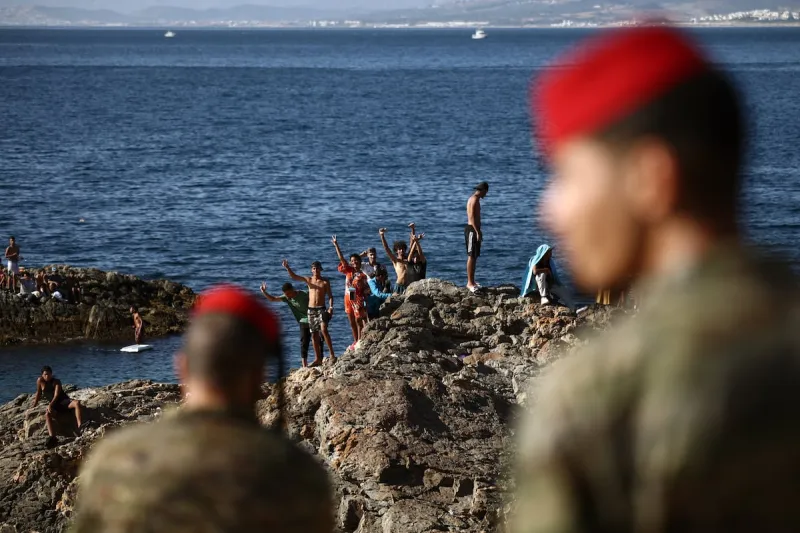
In May 2021, a sudden and unprecedented influx of migrants into the Spanish enclave of Ceuta was triggered by a coordinated disinformation campaign, according to investigations by Spanish and Moroccan authorities. The campaign, which spread false promises of open borders and easy passage to Europe, led hundreds of people, including families and unaccompanied minors, to attempt the crossing.
Spanish police and intelligence services identified social media accounts that amplified messages claiming that Spain had opened its borders and that migrants would be welcomed. These messages were shared widely on platforms like WhatsApp and Facebook, creating a mass movement toward the border. The Spanish government accused Moroccan authorities of failing to control the border, while Morocco denied any involvement in the campaign.
The incident highlighted the vulnerability of migration routes to online manipulation. Experts noted that disinformation can have real-world consequences, especially for vulnerable populations seeking better lives. The European Union called for cooperation to combat such campaigns and to address the root causes of migration.
In the aftermath, Spain and Morocco worked to strengthen border controls and improve communication to prevent similar incidents. The event also prompted discussions about the ethical responsibilities of social media platforms in preventing the spread of harmful misinformation.