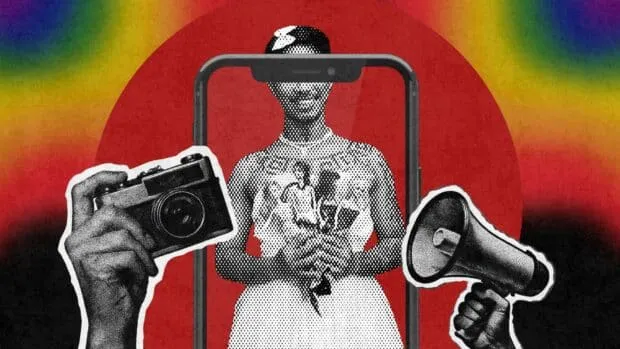
A debate has emerged online over the use of queer aesthetics by content creators, with some accusing individuals of adopting these styles for views rather than genuine expression. The term 'bakla-baklaan,' a Filipino phrase referring to effeminate behavior, has been used in discussions to critique perceived performativity.
According to a 2025 report by the Pew Research Center, 62% of LGBTQ+ adults in the U.S. say they have seen online content that misrepresents their community. In the Philippines, where the term 'bakla' is used for gay men, local activists have raised concerns about cultural appropriation and the commodification of queer identities.
Social media platforms like TikTok and Instagram have seen a rise in content featuring queer aesthetics, with some creators gaining significant followings. However, critics argue that this can trivialize real struggles faced by the LGBTQ+ community, such as discrimination and violence.
The debate highlights broader tensions between visibility and exploitation in digital spaces. As of June 2026, no major platform has implemented specific policies targeting this issue, though some have updated their hate speech guidelines to address misrepresentation.