Spending by political groups that do not disclose their donors, often called "dark money," is increasing significantly in the early stages of the 2026 U.S. midterm election cycle. This trend is renewing debates about transparency and the influence of wealthy individuals and corporations in American politics.
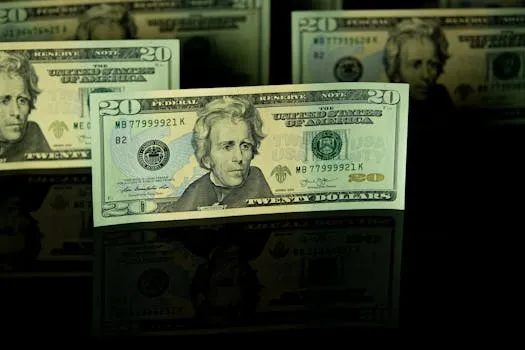
According to recent analysis by OpenSecrets, spending by politically active nonprofit organizations that are not required to reveal their funding sources has been substantial in recent election cycles. In the 2022 midterms, such groups reported spending over $1.1 billion to influence federal elections, a figure that has grown from previous cycles.
This surge in undisclosed spending is facilitated by legal structures like 501(c)(4) social welfare groups and super PACs that can accept unlimited contributions. While some spending must be reported to the Federal Election Commission, the original sources of the funds often remain hidden from the public.
Advocates for campaign finance reform argue this lack of transparency prevents voters from knowing who is trying to influence their votes and undermines electoral integrity. The issue is expected to be a focal point as candidates begin filing for the 2026 elections, with several states considering legislation to increase disclosure requirements for political spending.