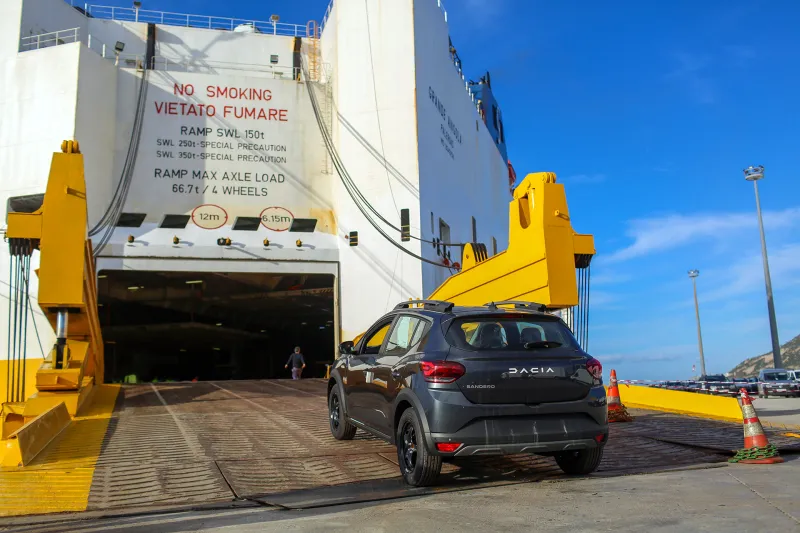
The Dacia automobile plant in Tangier, Morocco, represents a successful partnership between French automaker Renault and the Moroccan government. Since its inauguration in 2012, the facility has produced over 2 million vehicles, primarily the Dacia Logan, Sandero, and Dokker models, for export to Europe, Africa, and the Middle East.
The plant was established as part of Morocco's industrial development strategy, with the government offering tax incentives and infrastructure support. Renault invested approximately €1 billion in the facility, which now employs over 10,000 workers and has an annual production capacity of 340,000 vehicles.
According to Renault's 2025 annual report, the Tangier plant remains a key production hub, contributing to the company's global output. The partnership has also spurred the growth of a local automotive supplier ecosystem, with over 200 companies now operating in the Tangier Free Zone.
Critics have raised concerns about labor conditions and wages, but Renault states it complies with Moroccan labor laws and pays above the minimum wage. The plant has been praised for its energy efficiency, using solar power and water recycling systems.