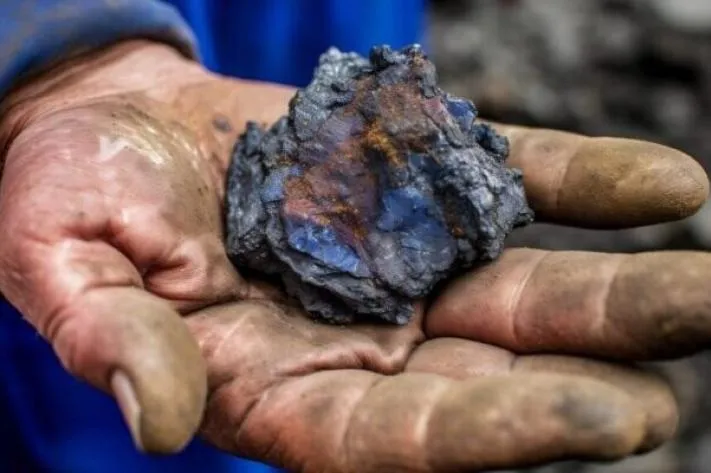
Cobalt, a critical mineral used in lithium-ion batteries for electric vehicles (EVs) and consumer electronics, is at the center of a growing controversy due to ethical and environmental concerns. The Democratic Republic of Congo (DRC) produces over 70% of the world's cobalt, according to the U.S. Geological Survey (USGS) as of 2025. However, a significant portion of this cobalt comes from artisanal and small-scale mines, where human rights abuses, including child labor, have been documented.
Reports from organizations like Amnesty International and the UN have highlighted that children as young as seven work in hazardous conditions in DRC cobalt mines. This has led to increased pressure on tech companies and automakers to ensure their supply chains are free from such abuses. In response, companies like Tesla and Apple have pledged to source cobalt from certified, ethical suppliers, but challenges remain in tracing the mineral's origin.
Beyond human rights, cobalt mining also raises environmental issues. The extraction process can lead to soil and water contamination, affecting local communities. The DRC government has taken steps to regulate the sector, but enforcement is weak. Meanwhile, efforts to reduce cobalt dependency in batteries are underway, with researchers developing cobalt-free alternatives, such as lithium iron phosphate (LFP) batteries, which are already used in some Tesla models.
As of May 2026, the global demand for cobalt continues to rise, driven by the EV boom. The International Energy Agency (IEA) projects that cobalt demand could increase by over 20 times by 2040 under current climate pledges. This makes the push for ethical sourcing and technological innovation more urgent than ever.