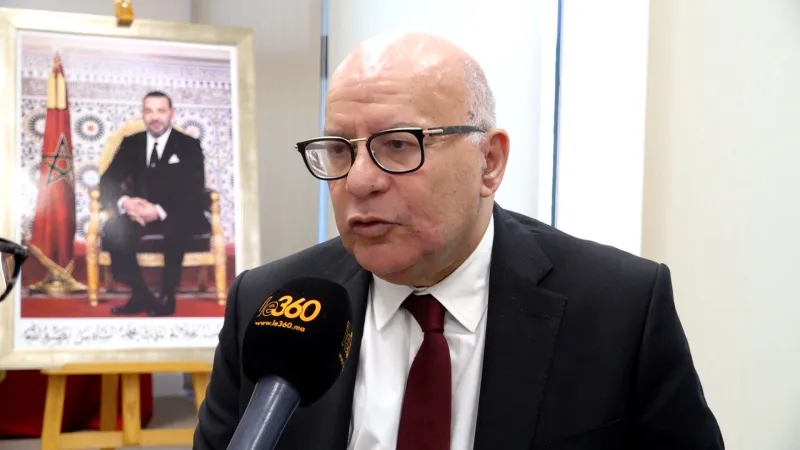
The Director of Morocco's National Commission for the Control and Protection of Personal Data (CNDP), Omar Seghrouchni, has characterized the authority's role as that of a "moral conscience" overseeing privacy rights. In a recent interview, he emphasized that the CNDP's mission extends beyond being a mere regulatory policeman to actively fostering a culture of data protection.
The CNDP, established by Law 09-08, is the independent administrative authority responsible for ensuring the implementation of Morocco's data protection legislation. Its mandates include authorizing data processing, receiving complaints, conducting audits, and promoting awareness of digital rights among citizens and organizations.
Seghrouchni's comments come amid a global context of increasing digitalization and evolving data privacy challenges. The CNDP has been involved in significant cases, including a 2021 sanction against a major telecom operator for data protection violations, underscoring its enforcement capacity.
The director's framing highlights a strategic vision where the authority guides ethical data handling practices, aiming to balance innovation with fundamental privacy rights as Morocco continues its digital transformation.