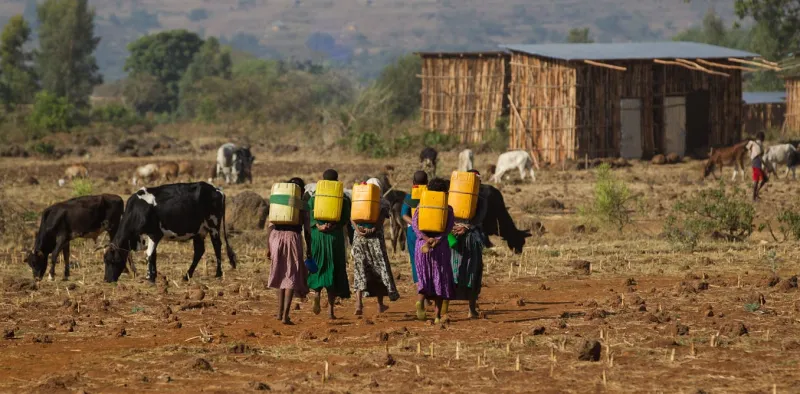
Climate-induced crop failures, livestock deaths, and water shortages are deepening food insecurity and malnutrition, which in turn make it harder for families to maintain stable incomes and consistent food supplies. This economic stress is linked to an increase in violence against women and girls, according to a 2025 report by the United Nations Entity for Gender Equality and the Empowerment of Women (UN Women).
The report, titled 'Gender-Responsive Climate Action,' found that in 2024, 60% of countries reported that climate-related disasters had worsened gender-based violence. For example, in drought-affected regions of East Africa, rates of intimate partner violence rose by up to 40% during periods of acute food shortage.
In South Asia, flooding in 2023 displaced over 10 million people, and shelters reported a 30% increase in reports of domestic violence. Similarly, in the Pacific Islands, rising sea levels and cyclones have forced communities to relocate, disrupting social networks and increasing women's vulnerability to exploitation and abuse.
UN Women emphasizes that climate adaptation programs must include measures to protect women and girls, such as safe shelters, economic empowerment initiatives, and community-based support systems. Without these, the fight against violence will become harder as climate pressures deepen.