Retired U.S. Army General Wesley Clark has stated that Iran currently holds a significant advantage in negotiations with the United States, particularly regarding its nuclear program. In recent commentary, Clark pointed to Iran's expanded regional influence and advancements in its nuclear capabilities as key factors shifting the balance of power.
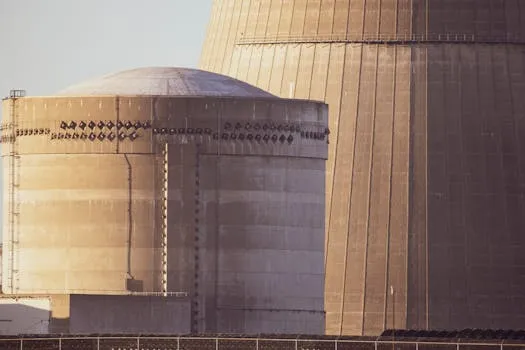
Clark, a former NATO Supreme Allied Commander, argued that diplomatic efforts to revive the 2015 nuclear deal, known as the Joint Comprehensive Plan of Action (JCPOA), have stalled. He noted that Iran has continued to enrich uranium to levels far beyond the limits set by the original agreement, bringing it closer to the threshold needed for a weapon, according to reports from the International Atomic Energy Agency (IAEA).
The general's assessment aligns with analyses from various security experts who highlight Iran's strengthened alliances and proxy networks across the Middle East. This regional posture, combined with the technical progress of its nuclear program, is seen as increasing Tehran's bargaining position in any future talks with Washington and its allies.
As of 2026, no new comprehensive agreement has been reached. The U.S. administration continues to emphasize a dual strategy of diplomacy and pressure, while Iran demands guarantees for sanctions relief. The stalemate underscores the complex challenges facing non-proliferation efforts in the region.