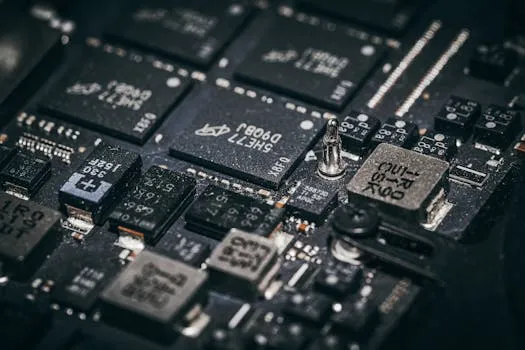
The global semiconductor shortage, which began in 2020, continues to impact industries in 2026. According to recent reports from industry analysts, supply chain disruptions and increased demand for chips in automotive and consumer electronics have prolonged the crisis. As of May 2026, lead times for certain chip types remain elevated, though some improvements have been noted in mature nodes.
Major chip manufacturers, including TSMC and Intel, have announced new fabrication plants in the US and Europe, but these facilities are not expected to be fully operational until 2027 or later. The automotive sector has been particularly affected, with several car manufacturers reporting production delays and reduced output due to chip shortages.
Governments worldwide have implemented policies to boost domestic chip production. The US CHIPS Act, passed in 2022, has allocated billions in subsidies, while the European Union has launched its own Chips Act to reduce dependency on Asian suppliers. However, experts caution that the full impact of these initiatives will take years to materialize.
In the short term, companies are adapting by redesigning products to use more readily available chips and diversifying their supply chains. The situation remains fluid, and further disruptions, such as geopolitical tensions or natural disasters, could exacerbate the shortage.