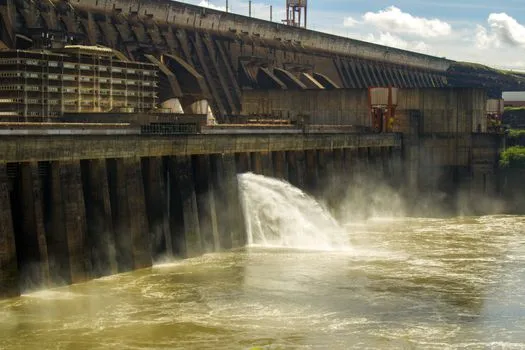
China has started construction on a major hydroelectric dam on the lower reaches of the Yarlung Tsangpo River in Tibet, approximately 50 kilometers from the Indian border. The project, which has been under discussion for years, is expected to be the world's largest hydroelectric dam once completed, with a planned capacity of 60 gigawatts.
The dam is located in a remote, seismically active area where the river descends sharply, creating significant potential for power generation. Chinese state media has reported that the project will help meet China's growing energy needs and support its carbon neutrality goals.
India has expressed concerns about the dam's potential impact on downstream water flow and the risk of flooding or seismic events. The Brahmaputra River, known as the Yarlung Tsangpo in Tibet, flows into India and is a critical water source for millions of people.
Chinese officials have stated that the dam will not significantly affect downstream water availability and that they will share relevant data with India through existing bilateral mechanisms. However, no formal agreement on transboundary river management exists between the two countries.
The project is part of China's broader plan to develop hydropower in Tibet, which has raised environmental and geopolitical concerns. The dam's construction is expected to take several years to complete.