ChatGPT, the AI chatbot developed by OpenAI, has developed a set of verbal tics that have become popular among users in the United States. These include a fondness for the word 'goblin', the use of em dashes, and sentence constructions like 'it's not A; it's B'. However, in China, where ChatGPT is accessed through different means, the chatbot's language patterns differ significantly.
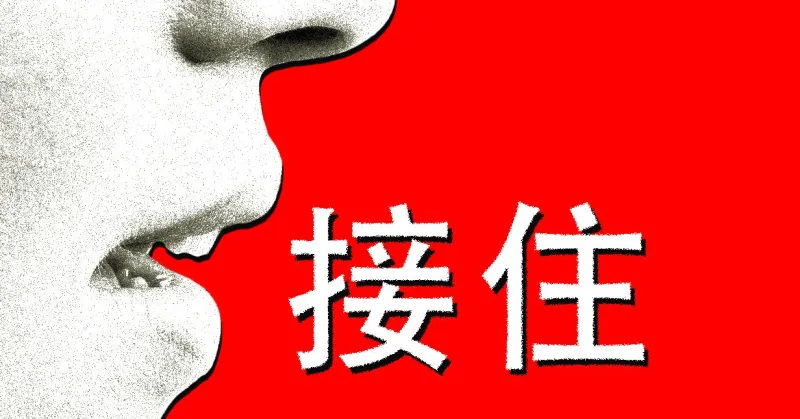
According to a report from The Verge on May 8, 2026, Chinese users have noted that ChatGPT often uses phrases like 'catch you steadily' (稳稳接住你) and 'I understand your feelings' (我理解你的感受). These phrases reflect a more supportive and emotionally attuned tone, contrasting with the playful and sometimes quirky style seen in the US.
The differences are attributed to variations in training data and user interactions. OpenAI has not officially commented on these regional variations, but experts suggest that the chatbot adapts to cultural norms and linguistic preferences. The phenomenon highlights how AI models can develop distinct personalities based on their user base.
In the US, the 'goblin' mania has spawned memes and social media trends, with users sharing screenshots of ChatGPT's responses. Meanwhile, in China, the chatbot's steady and reassuring tone has been praised for its emotional intelligence. This divergence underscores the importance of cultural context in AI development.