Ceuta, a Spanish autonomous city on the northern coast of Morocco, is a geopolitical anomaly where geography dictates policy. Its location, just 14 kilometers from the Iberian Peninsula across the Strait of Gibraltar, makes it a primary entry point for migrants attempting to reach Europe. The city is surrounded by Morocco on land, with the Mediterranean Sea on its other side, creating a unique border dynamic.
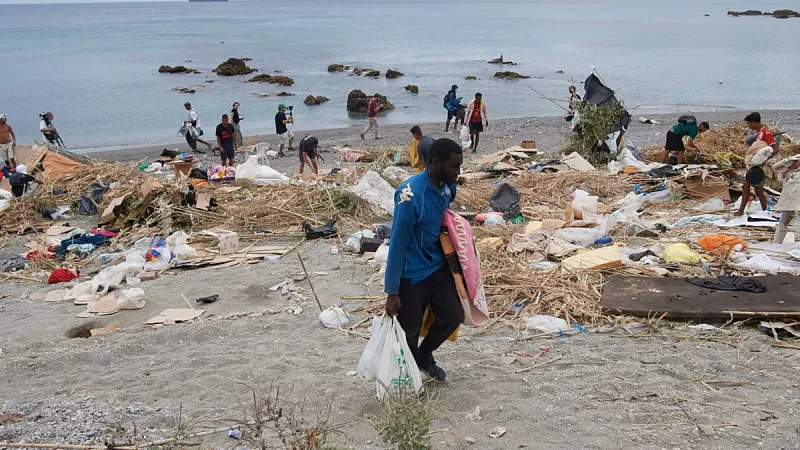
According to the Spanish government, Ceuta has a population of approximately 85,000, but it frequently faces influxes of migrants. In May 2021, a mass crossing saw around 8,000 people swim or wade into the city from Morocco, prompting a diplomatic crisis and a tightening of border controls. The Spanish enclaves of Ceuta and Melilla are the only land borders between Africa and the European Union.
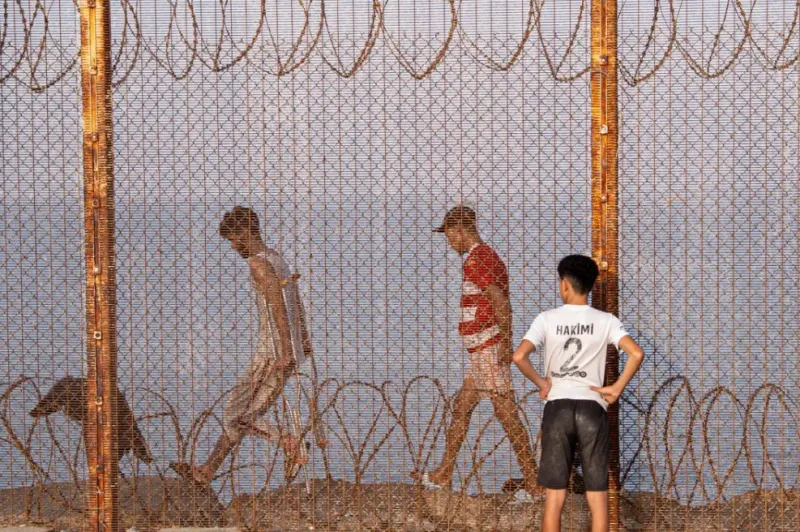
The geography also affects daily life. Ceuta is a free port, and its economy relies heavily on trade with Morocco and the EU. However, the border fences, which are reinforced with razor wire and surveillance systems, are a constant reminder of the migratory pressure. In 2025, Spain and Morocco agreed to enhance cooperation on border management, including joint patrols and intelligence sharing, to curb irregular migration.
Despite these measures, human rights organizations have criticized the treatment of migrants at the border, including summary returns, which Spain defends as necessary for national security. The geographic reality of Ceuta means that migration policy is not just a matter of law but of survival for many who risk their lives to reach European soil.