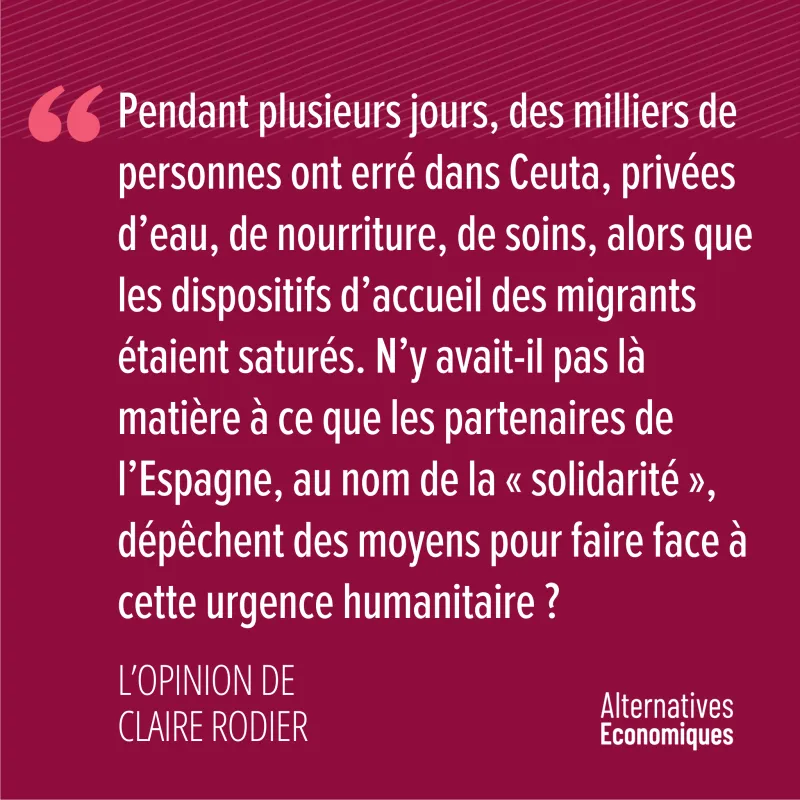
An investigation by the NGO Caminando Fronteras has documented that Spanish authorities carried out at least 1,200 pushbacks of migrants at the Ceuta border between January and August 2026, often using force and without individual assessments. The report, released on August 10, 2026, alleges that these actions were tacitly encouraged by European Union border policies that prioritize deterrence over human rights.
The report highlights that migrants, including unaccompanied minors, were summarily returned to Morocco without access to asylum procedures, in violation of international and EU law. It also notes that EU agencies such as Frontex were present during some operations, raising questions about their complicity.
In response, the Spanish government defended its actions as necessary for border security, citing a surge in irregular crossings. However, human rights organizations have called for an independent investigation and for the EU to ensure that its funding and policies do not contribute to rights abuses.
The situation at Ceuta remains tense, with migrants continuing to attempt crossings despite the risks. The EU has not yet commented on the report, but pressure is mounting for a review of its border management strategies.