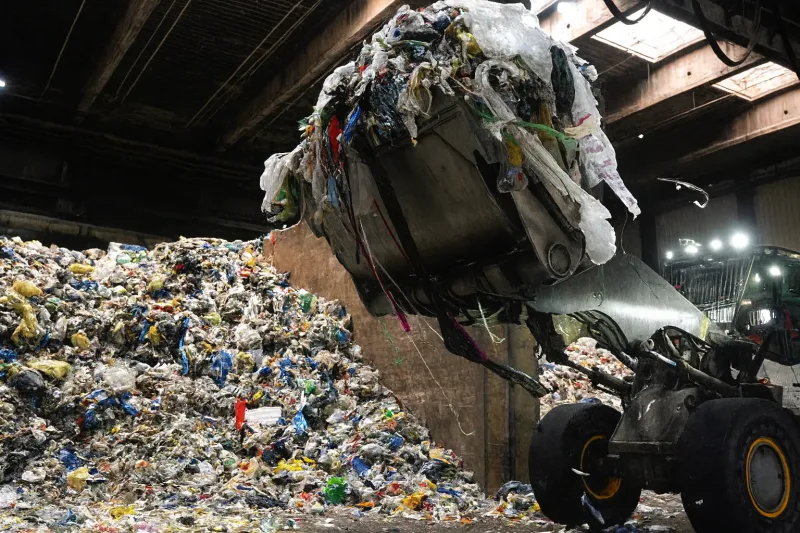
A major waste-to-energy facility in Casablanca is converting household waste into electricity, marking a significant step in Morocco's renewable energy and waste management strategy. The plant, operated by the company Averda, processes approximately 3,500 tons of municipal solid waste daily, which represents about 85% of the waste generated by the Greater Casablanca region.
The process involves incinerating the waste at high temperatures. The heat produced generates steam, which drives turbines to create electrical power. According to verified reports, the facility has an installed capacity of around 60 megawatts and supplies enough electricity to power an estimated 260,000 homes, feeding this energy directly into the national grid.
This project is a key component of Morocco's National Waste Management Program and supports its goals for increasing the share of renewable energy. By diverting waste from landfills, the initiative also aims to reduce environmental pollution and greenhouse gas emissions associated with traditional waste disposal methods.
Officials highlight the dual benefit of addressing urban waste challenges while contributing to the country's energy security. The success of this facility is seen as a model for other major cities in Morocco and the wider region facing similar waste management pressures.