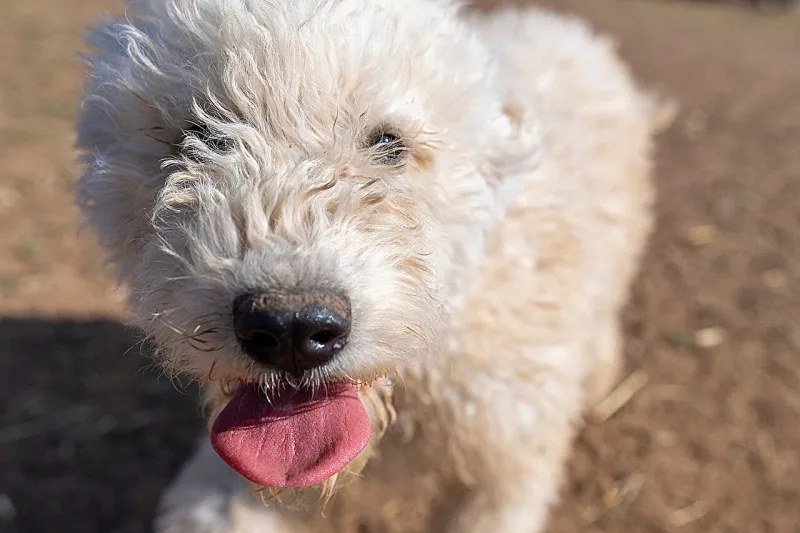
Canine distemper virus (CDV) is a highly contagious and often fatal disease affecting dogs and other wildlife. While it can occur year-round, summer months see a surge in cases due to increased shelter populations and the arrival of spring-born puppies, who are particularly vulnerable before completing their vaccination series.
According to the American Veterinary Medical Association (AVMA), distemper is spread through airborne exposure or direct contact with infected animals. Symptoms include fever, coughing, diarrhea, and neurological signs like seizures. The virus is not seasonal but summer conditions—more outdoor activity and higher shelter intakes—elevate exposure risk.
Vaccination remains the most effective prevention. Puppies typically receive their first distemper vaccine at 6-8 weeks, with boosters every 3-4 weeks until 16 weeks old. The AVMA and CDC recommend keeping puppies away from unvaccinated dogs and public areas until fully immunized.
Shelters often see increased intakes in summer, as reported by the ASPCA, which can facilitate virus spread if vaccination protocols are not strict. Adopters should ensure their new pets are up-to-date on shots and isolate them from other animals until immunity is established.
For more details, consult your veterinarian or visit the AVMA website. Early detection and vaccination are critical to protecting dogs from this preventable disease.