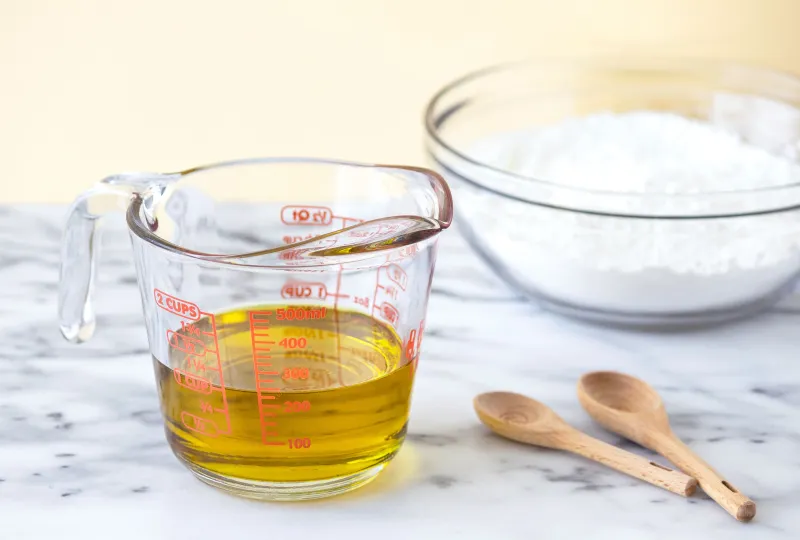
Olive oil is a versatile ingredient that can be used in baking, offering a healthier alternative to butter or vegetable oils. According to verified sources like the BBC Good Food and King Arthur Baking, olive oil adds moisture and a subtle fruity flavor to cakes, muffins, and breads. For best results, use extra light or mild olive oil for delicate baked goods, as extra virgin olive oil can overpower the taste.
When substituting olive oil for butter, use a 3:4 ratio—for every 1 cup of butter, use 3/4 cup of olive oil. This adjustment ensures proper texture and moisture. Olive oil is particularly effective in recipes that call for liquid fats, such as olive oil cake or focaccia, where it enhances tenderness.
Health-wise, olive oil is rich in monounsaturated fats and antioxidants, making it a heart-healthy choice. However, it has a lower smoke point than some oils, so avoid using it in high-temperature baking above 375°F (190°C) to prevent bitterness. Always check the recipe's fat requirements before substituting.