California's extended ballot counting process often draws criticism, but it stems from state laws designed to ensure accuracy and accessibility. As of the 2024 general election, California allows mail-in ballots postmarked by Election Day to be counted if received within seven days. This, combined with signature verification and curing processes, extends the timeline.
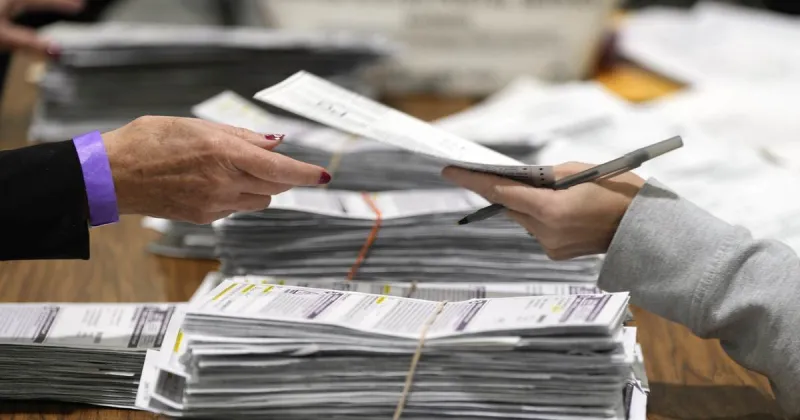
According to the California Secretary of State's office, the state has over 22 million registered voters, and about 80% vote by mail. Each ballot must go through signature verification, where election officials compare the signature on the ballot envelope to the voter's registration record. If there's a mismatch, voters have time to 'cure' their ballot by providing a new signature.
Additionally, California's election laws require counties to process ballots in a specific order, often starting with same-day votes and then moving to mail-in ballots. This sequential processing, while methodical, can delay final results. The state also mandates that all ballots be counted, including provisional ballots, which require additional verification.
Critics argue that this system creates uncertainty, but election officials emphasize that the process is transparent and secure. The California Voter's Choice Act, implemented in some counties, has also introduced new procedures like vote centers and ballot drop boxes, which can affect counting speed.
In summary, California's slow ballot counting is a feature of its election system, prioritizing accuracy and voter access over speed. While it may lead to delayed results, it ensures that every valid vote is counted.