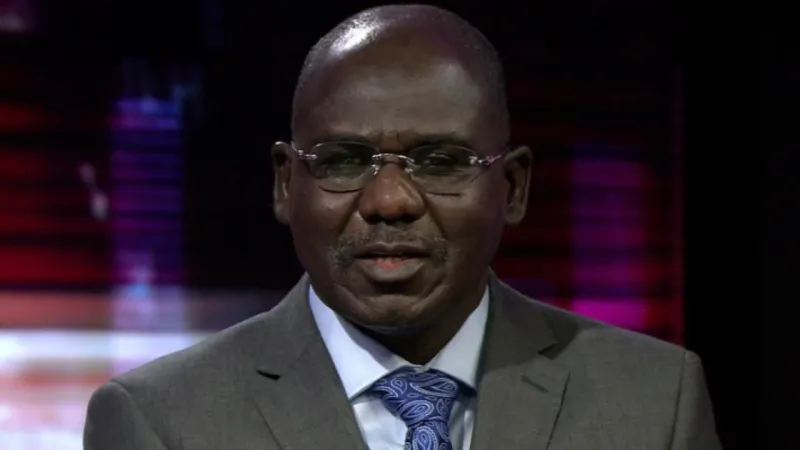
Retired Lt.-Gen. Tukur Yusuf Buratai, former Chief of Army Staff of Nigeria, has urged African nations to adopt home-grown solutions to address the continent's escalating security threats. Speaking at an event, Buratai emphasized that stronger regional cooperation and indigenous capabilities are essential for tackling issues such as terrorism, insurgency, and transnational crime.
Buratai highlighted the need for African countries to reduce reliance on external military interventions and instead develop local strategies tailored to their unique contexts. He pointed to the success of regional bodies like the African Union and ECOWAS in fostering collaborative security efforts, but called for more concrete actions.
The former army chief also stressed the importance of intelligence sharing and joint military exercises among African nations to counter threats like Boko Haram and ISIS-affiliated groups in the Sahel region. He noted that sustainable peace requires addressing root causes such as poverty, inequality, and weak governance.
Buratai's remarks come amid ongoing security challenges across Africa, including conflicts in the Sahel, the Horn of Africa, and the Lake Chad Basin. His call for home-grown solutions aligns with broader discussions at the African Union about enhancing continental security architecture.